Custom metal casting is a manufacturing process where molten metal is poured into a mold to create complex, durable parts tailored to specific design requirements. This guide covers essential materials like aluminum, steel, and bronze, explores key industrial applications, and provides expert buyer tips for selecting the right foundry partner. Whether you need high-volume production or one-off prototypes, understanding the nuances of custom casting ensures optimal performance, cost-efficiency, and structural integrity for your projects.
What Is Custom Metal Casting and How Does It Work?
Custom metal casting is a foundational manufacturing technique used to produce metal components with intricate geometries that are difficult or impossible to achieve through machining alone. The process involves creating a pattern, forming a mold around it, melting the chosen metal, and pouring it into the cavity. Once cooled and solidified, the part is removed and finished.
The core advantage of custom metal casting lies in its versatility. It allows engineers to design parts with internal channels, complex curves, and varying wall thicknesses. Unlike subtractive methods that cut away material, casting adds material only where needed, often reducing waste and overall weight.
Industries ranging from aerospace to automotive rely on this method for critical components. The ability to tailor the alloy composition and microstructure during the melting phase gives manufacturers precise control over mechanical properties such as tensile strength, corrosion resistance, and thermal conductivity.
The Fundamental Steps in the Casting Process
While specific techniques vary, the general workflow for producing custom castings follows a logical sequence. Understanding these steps helps buyers evaluate the capabilities of potential manufacturing partners.
- Pattern Making: A replica of the final part is created using wood, plastic, or metal. This pattern determines the shape of the mold cavity.
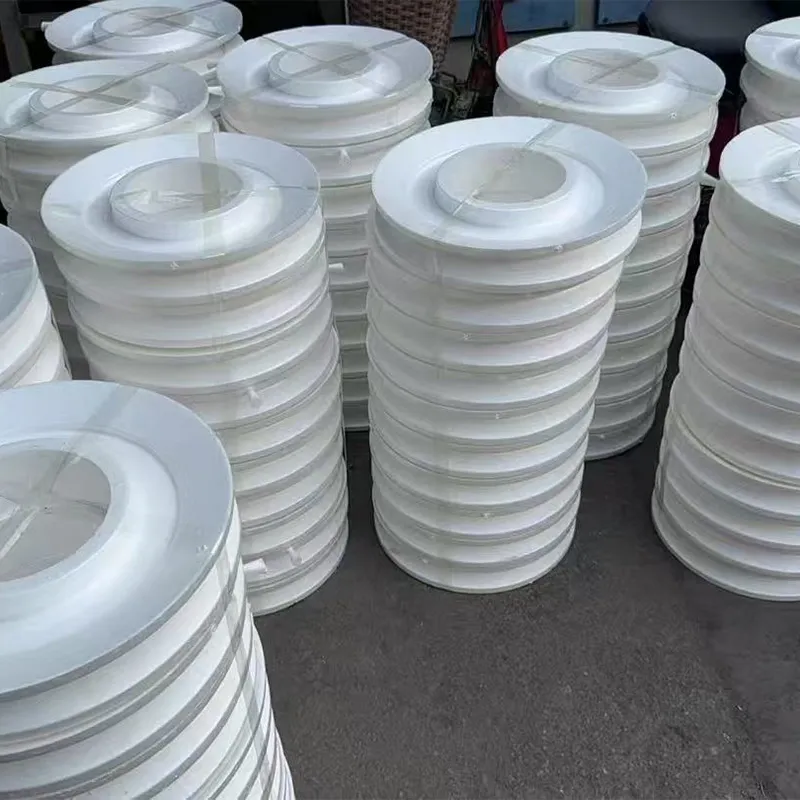
- Mold Creation: The pattern is packed into sand, ceramic, or metal to form the mold. In investment casting, wax patterns are used to create ceramic shells.
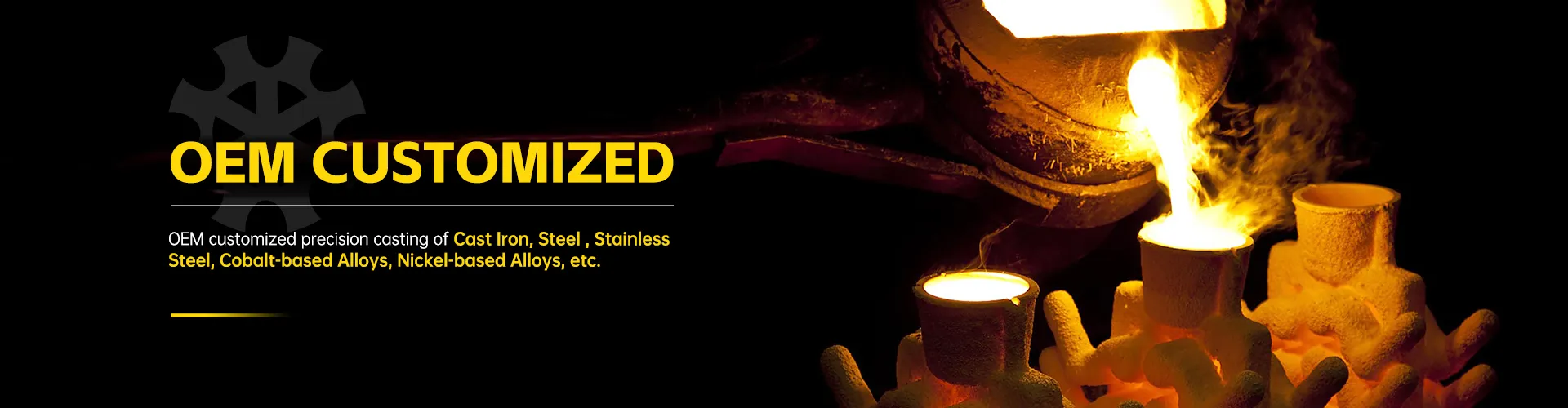
- Melting and Pouring: Raw metal alloys are melted in a furnace at precise temperatures and poured into the prepared mold.
- Cooling and Solidification: The metal cools naturally or via controlled processes to ensure proper grain structure and prevent defects.
- Shakeout and Cleaning: The casting is removed from the mold, and excess material like gates and risers is cut off.
- Finishing and Inspection: Parts undergo grinding, heat treatment, and rigorous quality checks to meet dimensional tolerances.
Each stage requires specialized expertise. For instance, improper cooling rates can lead to shrinkage cavities, while poor pattern design might result in incomplete fills. A competent foundry manages these variables to deliver high-quality results consistently.
Key Materials Used in Custom Metal Casting
Selecting the right alloy is perhaps the most critical decision in any casting project. The choice depends on the application’s environmental conditions, load requirements, and budget constraints. Current mainstream practices favor a few specific families of metals due to their balance of performance and castability.
Ferrous Alloys: Strength and Durability
Ferrous metals, which contain iron, are the backbone of heavy industry. They are prized for their high strength and magnetic properties but require careful handling due to higher melting points.
Cast Iron remains a popular choice for engine blocks, pipes, and machine bases. Its excellent fluidity when molten allows it to fill complex molds easily. Gray iron offers good vibration damping, while ductile iron provides superior impact resistance.
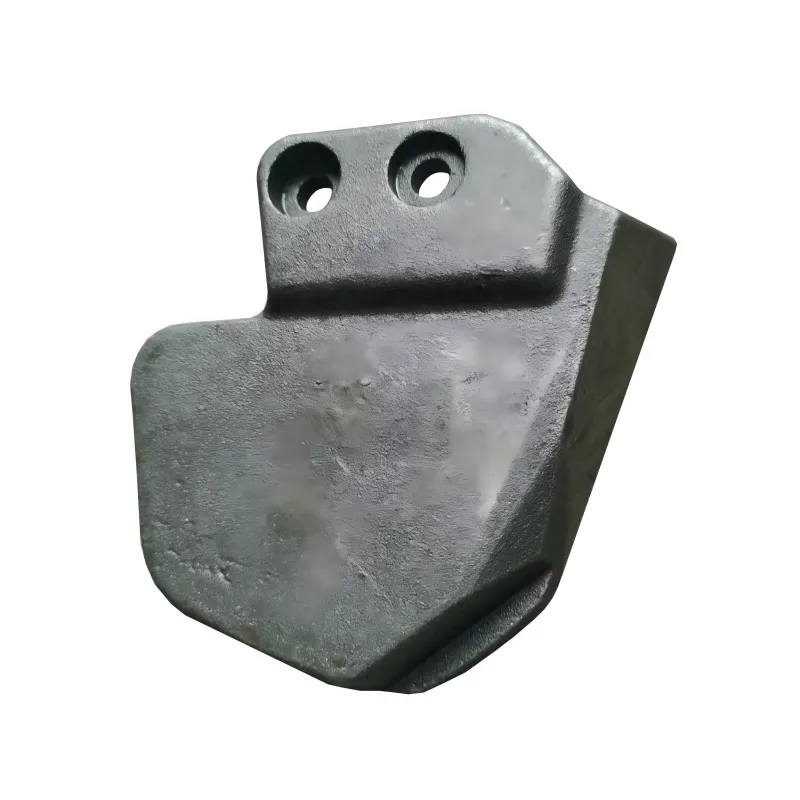
Carbon Steel and Alloy Steel castings are used where extreme toughness is required. These materials withstand high stress and abrasion, making them ideal for mining equipment, valves, and structural supports. However, they are more prone to shrinkage and require robust gating systems.
Non-Ferrous Alloys: Weight Savings and Corrosion Resistance
Non-ferrous alloys do not contain iron, offering distinct advantages in weight reduction and resistance to oxidation. They are increasingly dominant in automotive and aerospace sectors where efficiency is paramount.
Aluminum is the most widely used non-ferrous metal for custom casting. It combines low density with good strength-to-weight ratios. Aluminum castings are common in housing units, brackets, and heat sinks. Recent advancements have improved their fatigue life, expanding their use in safety-critical applications.
Bronze and Brass offer exceptional corrosion resistance and low friction coefficients. These copper-based alloys are the standard for marine components, bearings, and decorative hardware. Their natural antimicrobial properties also make them suitable for medical and plumbing fixtures.
Magnesium represents the lightest structural metal available. While historically challenging to cast due to flammability risks, modern protective atmospheres have made magnesium casting safer and more viable for high-performance racing and portable electronics.
Comparison of Common Casting Methods
Not all casting processes are created equal. The method chosen dictates the surface finish, dimensional accuracy, and economic feasibility of the project. Buyers must align their technical requirements with the capabilities of specific casting technologies.
The table below compares the three most prevalent methods used in custom metal casting today.
| Feature | Sand Casting | Investment Casting | Die Casting |
| Best For | Large parts, low to medium volume | Complex geometries, high precision | High volume, thin-walled parts |
| Surface Finish | Rough (requires machining) | Excellent (near net shape) | Very smooth |
| Dimensional Tolerance | Lower precision | High precision | Highest precision |
| Tooling Cost | Low | Medium to High | Very High |
| Production Speed | Slow to Medium | Slow | Very Fast |
| Material Flexibility | High (almost any metal) | High (including superalloys) | Limited (mostly non-ferrous) |
When to Choose Sand Casting
Sand casting is the oldest and most versatile method. It uses bonded sand to form the mold, which is destroyed after each use. This makes it economically viable for large components like pump housings or manhole covers where tooling costs for other methods would be prohibitive.
It is particularly effective for low-volume runs or prototypes because pattern modifications are relatively inexpensive. However, the resulting surface is rougher, often necessitating secondary machining operations to achieve tight tolerances.
The Precision of Investment Casting
Also known as lost-wax casting, this process involves coating a wax pattern with ceramic slurry to create a shell. Once the wax is melted out, molten metal fills the void. This method produces parts with exceptional detail and smooth surfaces.
Investment casting is the go-to solution for turbine blades, surgical instruments, and jewelry. It eliminates the need for parting lines, allowing for truly organic shapes. While the per-unit cost is higher than sand casting, the reduction in post-processing often balances the total expense.
Efficiency of Die Casting
Die casting forces molten metal into a reusable steel mold under high pressure. This results in rapid cycle times and consistent part quality, making it ideal for mass production of consumer goods and automotive components.
The high initial cost of the steel dies means this method is rarely suitable for small batches. Additionally, it is generally limited to non-ferrous metals like zinc, aluminum, and magnesium due to the damaging effect of ferrous metals on the die life.
Industrial Applications of Custom Castings
The ubiquity of custom metal casting is evident across nearly every sector of the global economy. From the engines that power our vehicles to the infrastructure supporting our cities, cast components play a vital role.
Automotive and Transportation
The automotive industry is the largest consumer of cast products. Engine blocks, cylinder heads, and transmission cases are almost exclusively produced via casting. The shift toward electric vehicles has also increased demand for lightweight aluminum castings to extend battery range.
In rail and aerospace, castings provide the structural integrity needed to withstand dynamic loads and extreme temperatures. Turbine components, for example, must operate in environments hotter than the melting point of the alloy itself, relying on advanced cooling channels created through casting.
Energy and Infrastructure
Power generation facilities rely heavily on custom castings for valves, fittings, and impellers. In oil and gas exploration, components must resist corrosive fluids and high pressures, often requiring specialized nickel or stainless steel alloys.
Renewable energy sectors, including wind and hydroelectric power, utilize massive cast hubs and gearboxes. These parts must endure decades of cyclic loading without failure, highlighting the importance of rigorous quality control during the manufacturing process.
Medical and Dental Equipment
Precision casting enables the production of biocompatible implants and surgical tools. Stainless steel and titanium castings are used for joint replacements and dental frameworks. The ability to create porous surfaces through casting aids in bone ingrowth, improving implant longevity.
Advantages and Limitations of Custom Metal Casting
Like any manufacturing process, custom metal casting comes with a unique set of strengths and challenges. A balanced view helps stakeholders make informed decisions about whether casting is the appropriate solution for their specific needs.
Core Advantages
- Design Freedom: Casting allows for the creation of internal cavities and complex external shapes that would be impossible to machine from a solid block.
- Material Optimization: Engineers can select alloys specifically formulated for the operating environment, enhancing performance and lifespan.
- Cost-Effectiveness for Complex Parts: For intricate components, casting often reduces the total amount of raw material used and minimizes machining time.
- Scalability: Processes like die casting support high-volume production, while sand casting accommodates low-volume, large-scale items.
Potential Limitations
- Surface Finish Variability: Depending on the method, parts may require significant post-processing to achieve desired smoothness.
- Defect Risks: Issues like porosity, shrinkage, or cold shuts can occur if process parameters are not strictly controlled.
- Lead Time for Tooling: Creating patterns and molds can add time to the initial production schedule, especially for high-precision methods.
- Size Constraints: While sand casting can handle massive parts, other methods like die casting are limited by the size of the available machinery.
Expert Buyer Tips for Sourcing Custom Castings
Navigating the supply chain for custom metal casting requires diligence. The difference between a successful project and a costly failure often lies in the selection of the foundry partner and the clarity of the initial specifications.
Define Your Requirements Clearly
Before contacting suppliers, prepare a comprehensive package including CAD drawings, material specifications, and expected volumes. Clearly state critical dimensions and tolerance levels. Ambiguity at this stage often leads to quotes that do not reflect the true cost or feasibility of the project.
Consider the end-use environment. Will the part face corrosive chemicals? Extreme heat? Cyclic loading? Providing this context allows the foundry to recommend the most suitable alloy and heat treatment process.
Evaluate Foundry Capabilities
Not all foundries specialize in the same areas. Some excel in large-scale sand casting for construction, while others focus on microscopic investment castings for medical devices. Review their portfolio to ensure they have experience with similar geometries and materials.
Ask about their quality assurance protocols. Do they perform non-destructive testing (NDT) like X-ray or dye penetrant inspection? Are they certified to relevant industry standards such as ISO 9001 or AS9100? A robust QA system is non-negotiable for critical applications.
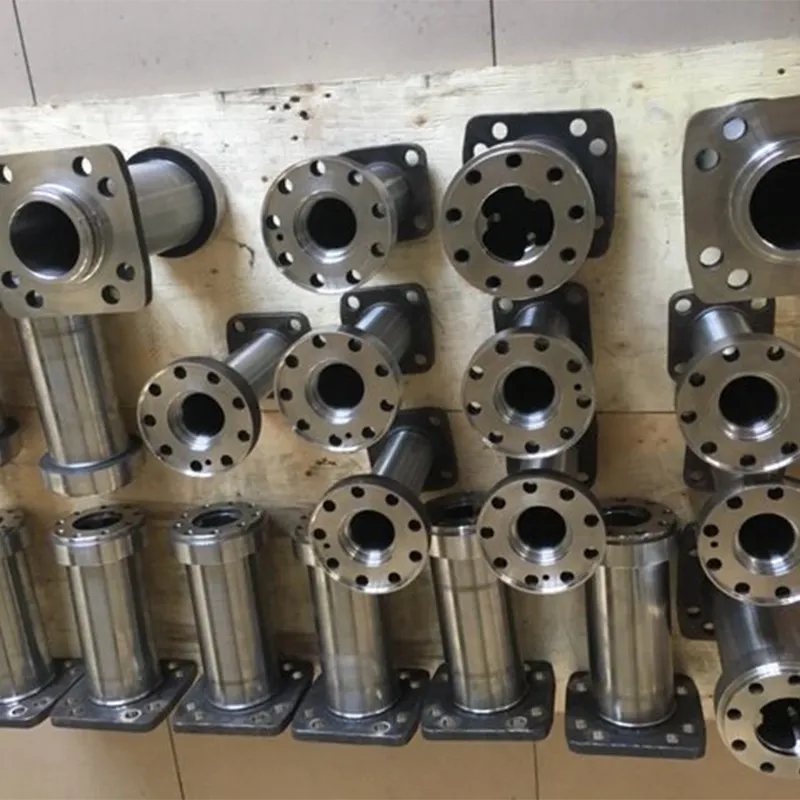
For businesses seeking a partner with deep industry roots, Qingdao Qiangsenyuan Technology Co., Ltd. (QSY) exemplifies the kind of comprehensive capability required for complex projects. With over 30 years of experience in the casting and machining industry, QSY specializes in shell mold casting, lost wax (investment) casting, and CNC machining. Their extensive facility spans over 50,000 square meters, integrating dedicated production lines for shell mold and investment casting alongside a full-service CNC machining workshop, quality inspection center, and packaging department. This one-stop approach allows them to handle diverse materials ranging from cast iron and carbon steel to stainless steel and special alloys like cobalt-based and nickel-based superalloys. Serving clients in more than 20 countries across sectors such as agricultural machinery, medical equipment, food processing, mining, and petrochemicals, QSY demonstrates how a mature foundry can deliver tailored solutions that meet rigorous global standards.
Consider Total Cost of Ownership
The lowest unit price does not always equate to the best value. Factor in shipping costs, lead times, and the potential need for secondary machining. A slightly more expensive casting with better dimensional accuracy might save significant money by reducing machining hours.
Also, evaluate the supplier’s communication and responsiveness. A partner who proactively identifies potential design issues before production begins can prevent expensive delays and rework later in the timeline.
Frequently Asked Questions (FAQ)
What is the minimum order quantity for custom metal casting?
Minimum order quantities (MOQs) vary significantly by method. Sand casting often has low MOQs, sometimes accepting single prototypes, because pattern costs are relatively low. Conversely, die casting typically requires high volumes to justify the expensive steel tooling. Investment casting falls somewhere in between, suitable for small to medium batches.
How long does the custom casting process take?
Lead times depend on complexity and method. Simple sand castings might be ready in a few weeks, including pattern making. Investment casting and die casting require longer initial setup for mold or die creation, potentially taking 4 to 8 weeks before the first articles are produced. High-volume runs then proceed much faster.
Can cast parts be welded or machined?
Yes, most cast metals can be welded and machined. However, weldability depends on the alloy; some high-carbon steels require pre-heating to prevent cracking. Machinability is generally good, though cast surfaces may be harder than wrought materials due to the cooling process. It is standard practice to include machining allowances in the casting design.
What causes porosity in metal castings?
Porosity usually results from trapped gas or shrinkage during solidification. Gas porosity occurs when air or moisture is trapped in the mold or melt. Shrinkage porosity happens when the metal contracts as it cools and insufficient feed metal is available. Proper gating design and controlled cooling rates are essential to mitigate these defects.
Is custom metal casting environmentally friendly?
Modern foundries have made significant strides in sustainability. Sand used in molding is often recycled repeatedly. Metal scrap generated during the process is 100% recyclable and is routinely remelted. Furthermore, casting creates near-net-shape parts, reducing the energy and waste associated with extensive machining.
Conclusion and Next Steps
Custom metal casting remains an indispensable technology for creating durable, complex, and high-performance components across diverse industries. By understanding the differences between materials like aluminum and steel, and selecting the appropriate method such as sand, investment, or die casting, businesses can optimize both product quality and cost efficiency.
This approach is ideally suited for engineers and procurement professionals seeking to manufacture parts that cannot be easily fabricated through other means. Whether you require a single prototype for testing or thousands of units for mass production, the flexibility of casting offers a viable solution.
To move forward, assess your specific design requirements and volume needs. Identify foundries with proven expertise in your target alloy and casting method. Request detailed quotes that include breakdown of tooling costs and lead times. Taking these informed steps will ensure your project benefits from the full potential of custom metal casting, delivering reliable components that stand the test of time.