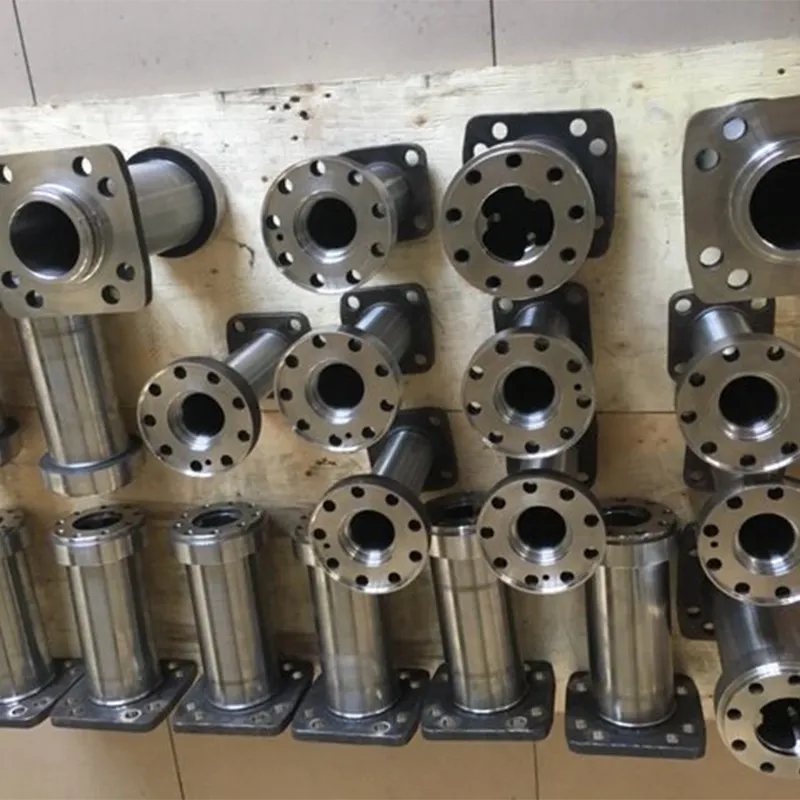
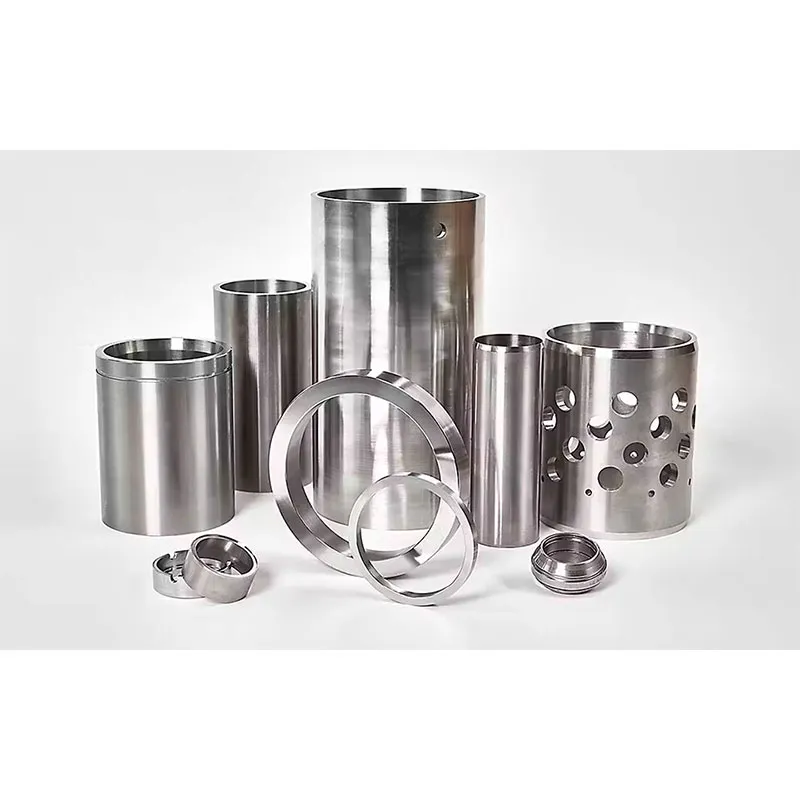
The fundamentals of metal casting involve pouring molten metal into a mold containing a hollow cavity of the desired shape, allowing it to cool and solidify. This ancient yet evolving manufacturing process is essential for creating complex geometries that are difficult or impossible to achieve through machining alone. From automotive engine blocks to artistic sculptures, casting remains a cornerstone of modern industry due to its versatility in handling various alloys and production volumes.
What Are the Fundamentals of Metal Casting?
At its core, metal casting is a formative manufacturing process where liquid material is introduced into a mold. The fundamentals of metal casting rely on three critical phases: pattern creation, mold preparation, and the actual pouring and solidification of metal. Understanding these basics is crucial for engineers and designers aiming to optimize part performance and cost-efficiency.
The process begins with a pattern, which is a replica of the final object. This pattern determines the shape of the cavity within the mold. Once the mold is prepared using materials like sand, ceramic, or metal, molten alloy is poured in. As the metal cools, it shrinks slightly, a factor that must be accounted for during the design phase to ensure dimensional accuracy.
Industry professionals recognize that mastering these fundamentals allows for better control over microstructure and mechanical properties. Whether producing a single prototype or thousands of units, the underlying principles remain consistent, though the specific techniques may vary based on the required precision and volume.
The Step-by-Step Metal Casting Process
To fully grasp the fundamentals of metal casting, one must understand the sequential operations involved. While specific methods differ, the general workflow follows a logical progression from design to finishing. Each step requires careful attention to detail to prevent defects such as porosity, shrinkage, or cold shuts.
1. Pattern Making
The journey starts with creating a pattern. This model can be made from wood, plastic, or metal, depending on the production run size. The pattern includes extra material known as “allowance” to compensate for metal shrinkage during cooling. It also features draft angles to facilitate easy removal from the mold without damaging the cavity walls.
2. Mold Preparation
Once the pattern is ready, it is used to create the mold. In sand casting, the most common method, the pattern is packed into specialized sand mixed with binders. The mold consists of two halves: the cope (top) and the drag (bottom). A gating system is carved or formed to guide the molten metal into the cavity while trapping impurities.
3. Melting and Pouring
The selected metal alloy is melted in a furnace at temperatures specific to its composition. For instance, aluminum melts at a much lower temperature than steel. Once the metal reaches the correct fluidity, it is poured into the mold through the gating system. Timing and temperature control are vital here to ensure the metal fills the entire cavity before solidifying.
4. Cooling and Solidification
After pouring, the metal must cool undisturbed. The rate of cooling affects the grain structure of the metal, which directly influences its strength and ductility. Rapid cooling can lead to hard but brittle structures, while slow cooling promotes larger grains and better machinability. The fundamentals of metal casting dictate that this phase is managed precisely to meet mechanical specifications.
5. Shakeout and Cleaning
Once solidified, the casting is removed from the mold, a process called shakeout. The raw casting, often referred to as a “green casting,” still has attached gates, runners, and risers. These excess materials are cut off, and the surface is cleaned via blasting or grinding to remove residual sand or scale.
6. Inspection and Finishing
The final step involves rigorous inspection to detect internal or surface defects. Techniques like X-ray radiography, dye penetrant testing, or ultrasonic inspection are commonly employed. If the part passes quality control, it undergoes final machining or heat treatment to achieve the desired tolerances and properties.
- Pattern Creation: Designing the replica with shrinkage allowances.
- Mold Formation: Creating the negative space using sand, ceramic, or metal.
- Melting: Heating the alloy to a precise liquid state.
- Pouring: Transferring molten metal into the mold cavity.
- Solidification: Allowing controlled cooling to set the shape.
- Finishing: Removing excess material and inspecting for quality.
Common Types of Casting Processes
While the fundamentals of metal casting are universal, the execution varies significantly based on the technique used. Different processes offer distinct advantages regarding surface finish, dimensional accuracy, and production speed. Selecting the right method is a critical decision in product development.
Sand Casting
Sand casting is the most widely used method globally, accounting for a significant majority of all castings produced. It utilizes silica sand mixed with binders to form the mold. This technique is highly versatile, capable of producing parts ranging from a few ounces to several tons. It is particularly favored for large components like engine blocks and pump housings where tooling costs need to be kept low.
The primary advantage of sand casting lies in its flexibility. Almost any metal alloy can be cast using this method, including iron, steel, aluminum, and bronze. However, the surface finish is generally rougher compared to other methods, often requiring additional machining. The mold is typically destroyed after each use, making it ideal for low-to-medium volume production.
Die Casting
Die casting involves forcing molten metal under high pressure into a reusable metal mold, known as a die. This process is exceptionally fast and produces parts with excellent dimensional accuracy and smooth surface finishes. It is predominantly used for non-ferrous metals like zinc, aluminum, and magnesium.
Because the dies are expensive to manufacture, die casting is economically viable only for high-volume production runs. The high pressure ensures that the metal fills even the thinnest sections of the mold, allowing for complex geometries with tight tolerances. This makes it a preferred choice for consumer electronics housings and automotive transmission cases.
Investment Casting
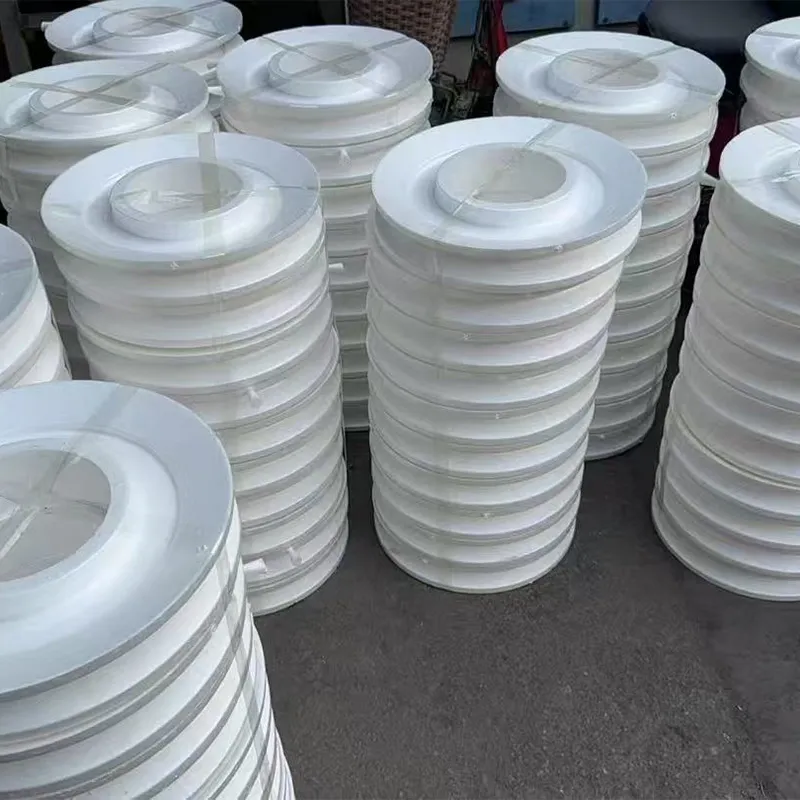
Also known as lost-wax casting, investment casting offers superior precision and surface quality. The process begins with a wax pattern coated in a ceramic slurry to build a shell. Once the shell hardens, the wax is melted out, leaving a precise cavity. Molten metal is then poured into this ceramic mold.
This method eliminates the need for parting lines, resulting in near-net-shape components that require minimal post-processing. It is extensively used in aerospace for turbine blades and in the medical industry for surgical instruments. While more costly per unit than sand casting, it reduces overall manufacturing costs by minimizing machining time.
Permanent Mold Casting
Permanent mold casting uses reusable molds made from metal, typically steel or iron. Unlike die casting, gravity or low pressure is often used to fill the mold rather than high-pressure injection. This results in a finer grain structure and improved mechanical properties compared to sand casting.
This technique strikes a balance between the low tooling cost of sand casting and the high precision of die casting. It is suitable for medium-to-high volume production of aluminum and copper alloy parts. Common applications include automotive wheels, pistons, and manifold components.
| Casting Method |
Typical Materials |
Surface Finish |
Production Volume |
Tooling Cost |
| Sand Casting |
Iron, Steel, Aluminum, Bronze |
Rough |
Low to High |
Low |
| Die Casting |
Zinc, Aluminum, Magnesium |
Very Smooth |
Very High |
High |
| Investment Casting |
Steel, Superalloys, Titanium |
Smooth |
Low to Medium |
Medium to High |
| Permanent Mold |
Aluminum, Copper Alloys |
Good |
Medium to High |
Medium |
Key Advantages and Limitations
Understanding the pros and cons is an integral part of mastering the fundamentals of metal casting. No single manufacturing method is perfect for every application. Engineers must weigh the benefits of design freedom against potential limitations in material properties or surface quality.
Advantages of Metal Casting
Design Complexity: Casting allows for the creation of intricate internal cavities and external shapes that would be impossible or prohibitively expensive to machine. Features like undercuts and complex curves can be integrated directly into the mold.
Material Versatility: Nearly every engineering metal can be cast. This includes ferrous alloys like cast iron and steel, as well as non-ferrous options like aluminum, brass, and titanium. This flexibility allows designers to select the exact alloy needed for specific environmental or load-bearing requirements.
Cost-Effectiveness for Large Parts: For heavy components, casting is often the most economical route. Machining a large block of solid metal to create a hollow part generates significant waste and consumes immense energy. Casting forms the shape directly, reducing material waste and machining time.
Isotropic Properties: Unlike forged parts which may have directional strength, cast parts generally exhibit uniform properties in all directions, provided the cooling is controlled correctly. This is beneficial for components subjected to multi-axial loads.
Limitations and Challenges
Surface Finish: Depending on the method, cast surfaces can be rough. Sand casting, in particular, leaves a textured finish that often necessitates secondary machining operations, adding to the total cost and lead time.
Defect Susceptibility: The process is prone to defects such as gas porosity, shrinkage cavities, and inclusions. These issues arise from improper gating design, incorrect pouring temperatures, or contaminated materials. Rigorous quality control is essential to mitigate these risks.
Dimensional Tolerance: While investment and die casting offer tight tolerances, traditional sand casting has broader tolerance ranges. This can be a limiting factor for assemblies requiring precise fits without subsequent machining.
Environmental Impact: Some casting processes, especially those involving sand molds, generate significant waste material. Although modern foundries recycle a high percentage of their sand, the energy consumption for melting metals remains a consideration for sustainability goals.
Applications Across Industries
The fundamentals of metal casting drive innovation across a multitude of sectors. The ability to produce durable, complex, and customized metal parts makes casting indispensable in modern infrastructure and technology.
Automotive Industry
The automotive sector is perhaps the largest consumer of cast components. Engine blocks, cylinder heads, transmission cases, and suspension knuckles are predominantly manufactured through casting. The push for lightweight vehicles has increased the demand for high-strength aluminum castings, which reduce vehicle weight while maintaining structural integrity.
Aerospace and Defense
In aerospace, the margin for error is nonexistent. Investment casting is heavily utilized to produce turbine blades, jet engine components, and structural frames. These parts must withstand extreme temperatures and stresses. The precision of casting allows for the integration of cooling channels within turbine blades, a feature critical for engine efficiency.
Construction and Heavy Machinery
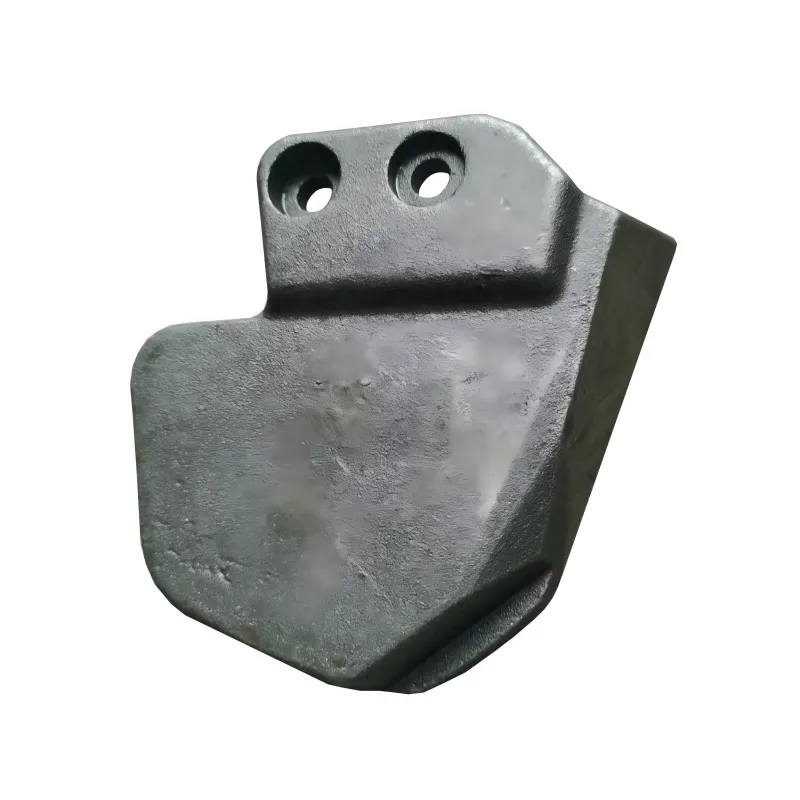
Heavy equipment relies on the robustness of cast iron and steel. Components like excavator buckets, crane hooks, and valve bodies are cast to endure harsh operating conditions. The durability and wear resistance of cast materials make them ideal for applications involving heavy abrasion and impact.
Art and Architecture
Beyond industrial uses, casting has a rich history in art. Sculptors use bronze and aluminum casting to create detailed statues and monuments. In architecture, decorative elements such as railings, doors, and facade details are often cast to achieve ornate designs that cannot be replicated by other means.
Partnering with Industry Experts
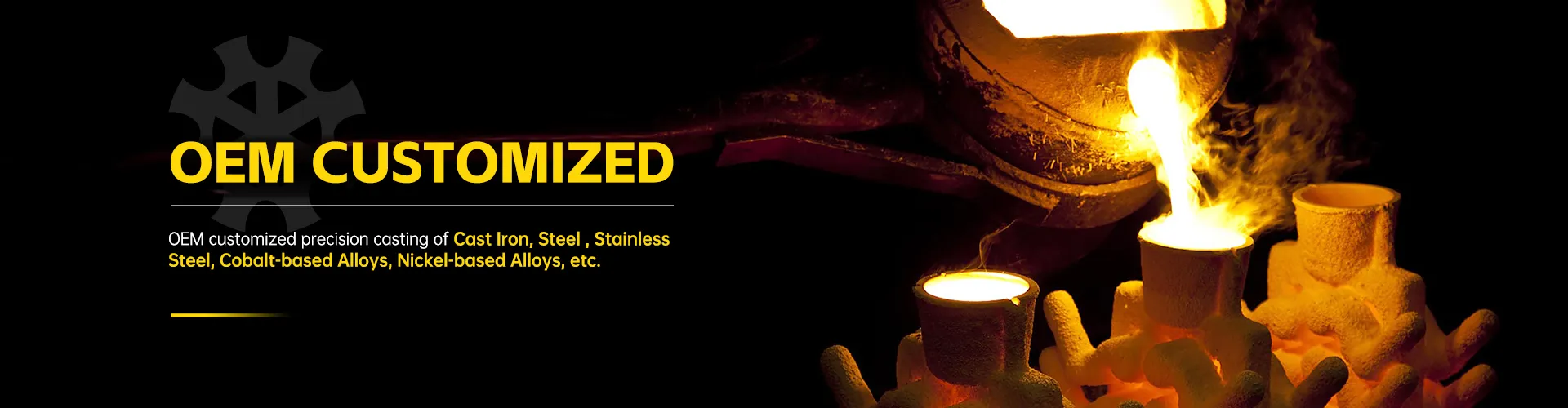
While understanding the theory behind casting is valuable, successful implementation often requires partnering with experienced manufacturers who possess deep practical knowledge. Qingdao Qiangsenyuan Technology Co., Ltd. (QSY) exemplifies this expertise, bringing over 30 years of experience in the casting and machining industry to the table. Specializing in shell mold casting, lost wax (investment) casting, and precision CNC machining, QSY has established itself as a reliable partner for complex projects.
Operating from a massive production facility covering over 50,000 square meters, QSY integrates comprehensive production lines for shell mold and investment casting alongside dedicated workshops for CNC machining, quality inspection, and packaging. This one-stop approach ensures seamless transitions from raw casting to finished, machined components. Their material capabilities are equally extensive, handling everything from standard cast iron and steel to stainless steel and specialized high-performance alloys, including cobalt-based and nickel-based superalloys.
QSY serves a diverse global clientele across more than 20 countries, providing tailored solutions for industries such as agricultural machinery, medical and food processing equipment, industrial manufacturing, mining, and petrochemicals. By combining advanced technical capabilities with a commitment to customized service, companies like QSY help bridge the gap between design concepts and high-quality, functional end products.
Common Defects and Quality Control
A deep understanding of the fundamentals of metal casting includes recognizing potential failures. Defects can compromise the structural integrity of a part, leading to catastrophic failures in service. Identifying the root cause is essential for continuous improvement.
Porosity
Porosity refers to small voids or holes within the metal, caused by trapped gas or shrinkage during solidification. Gas porosity occurs when dissolved gases in the molten metal are released as it cools. Shrinkage porosity happens when the metal contracts and no additional liquid metal is available to fill the void. Proper venting in the mold and the use of risers can mitigate these issues.
Cold Shuts
A cold shut occurs when two streams of molten metal meet in the mold but fail to fuse properly, usually because they have cooled too much. This creates a weak plane in the casting. Ensuring adequate pouring temperature and optimizing the gating system to maintain flow velocity are standard preventive measures.
Misruns
Misruns happen when the metal solidifies before completely filling the mold cavity, leaving an incomplete part. This is often due to low pouring temperatures or thin section designs that cool too rapidly. Adjusting the alloy composition or increasing the pouring temperature typically resolves this problem.
Inclusions
Inclusions are foreign materials, such as sand or slag, trapped inside the casting. They act as stress concentrators and can initiate cracks. Effective filtration systems in the gating path and careful handling of mold materials are necessary to prevent contamination.
Quality control protocols now employ advanced non-destructive testing (NDT) methods. Industrial CT scanning allows engineers to visualize internal defects without destroying the part. This level of inspection ensures that only components meeting strict safety standards reach the end user.
Future Trends in Metal Casting Technology
The landscape of manufacturing is shifting, and the fundamentals of metal casting are evolving alongside new technologies. Innovation is driving the industry toward greater efficiency, sustainability, and precision.
3D Printing and Rapid Prototyping
Additive manufacturing is revolutionizing pattern making and even direct mold production. 3D printed sand molds eliminate the need for physical patterns, drastically reducing lead times for prototypes and custom parts. This technology allows for geometric complexities that were previously unachievable with traditional molding techniques.
Simulation Software
Advanced computational fluid dynamics (CFD) and solidification simulation software enable foundries to predict defects before a single pound of metal is poured. By simulating the flow of molten metal and the cooling process, engineers can optimize gating systems and riser placement virtually, saving material and reducing trial-and-error cycles.
Sustainable Practices
Environmental responsibility is becoming a central focus. Modern foundries are implementing closed-loop water systems, advanced emission controls, and high-efficiency melting furnaces. The recycling of sand and metal scrap is being optimized to minimize waste, aligning the industry with global sustainability targets.
Frequently Asked Questions (FAQ)
To further clarify the fundamentals of metal casting, here are answers to some of the most common questions asked by beginners and industry professionals alike.
What is the difference between casting and forging?
Casting involves pouring molten metal into a mold, allowing for complex shapes and internal cavities. Forging, on the other hand, involves shaping solid metal using compressive forces, typically resulting in stronger mechanical properties due to grain flow alignment. Casting is generally better for complex geometries, while forging is preferred for high-stress applications requiring maximum toughness.
Which metal is easiest to cast for beginners?
Aluminum is often considered the most beginner-friendly metal due to its relatively low melting point and good fluidity. It is less prone to certain defects compared to steel and is widely available in various alloys. Zinc is another option for low-temperature casting, often used in hobbyist projects and small-scale die casting.
How long does the metal casting process take?
The timeline varies significantly based on the method and part complexity. Sand casting a simple part might take a few days from pattern making to finishing. Die casting, once the tooling is ready, can produce parts in seconds. However, the initial setup for high-precision methods like investment casting can take weeks due to the multiple steps involved in shell creation.
Can all metals be cast?
While most engineering metals can be cast, some are more challenging than others. Metals with very high melting points, such as tungsten, require specialized equipment and atmospheres. Reactive metals like titanium also demand vacuum environments to prevent oxidation. However, with the right technology, almost any metal can be successfully cast.
Why is shrinkage allowance important?
Shrinkage allowance is critical because all metals contract as they cool from a liquid to a solid state and further as they reach room temperature. If the pattern does not account for this contraction, the final casting will be smaller than the intended design dimensions. Foundry experts calculate specific shrinkage rates for each alloy to ensure dimensional accuracy.
Conclusion and Next Steps
The fundamentals of metal casting represent a blend of art, science, and engineering that has shaped human civilization for millennia. From the basic principles of pattern making and mold preparation to the sophisticated simulations used today, casting remains a vital manufacturing pillar. Its ability to transform raw metal into complex, functional components makes it irreplaceable in industries ranging from automotive to aerospace.
For those looking to leverage this technology, the key lies in selecting the appropriate casting method for your specific needs. Consider factors such as production volume, required precision, material properties, and budget constraints. Whether you opt for the versatility of sand casting, the precision of investment casting, or the speed of die casting, understanding these core fundamentals will guide you toward optimal results.
If you are planning a new project, start by defining your part’s critical requirements. Engage with experienced foundry partners who can provide insights on design for manufacturability (DFM). By applying the knowledge of casting fundamentals early in the design phase, you can avoid costly revisions and ensure a high-quality final product. The future of casting is bright, driven by digitalization and sustainability, offering endless possibilities for innovation.