When sourcing metal parts via lost wax casting, buyers often face a core decision: selecting a water glass shell system or a silica sol shell system for investment casting. Both belong to lost wax casting, but the binder used for the ceramic shell creates major gaps in surface quality, dimensional accuracy, production cycle, and overall cost. Choosing the wrong shell process can lead to rejected parts, budget overruns, or missed delivery deadlines. This guide breaks down both manufacturing workflows, compares key performance metrics, and helps you pick the right lost wax casting method for your component.
What Is Water Glass Casting?
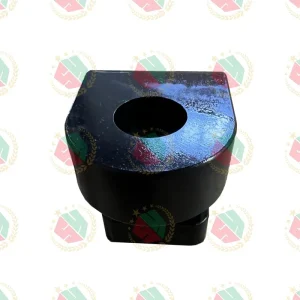
Water glass casting is a traditional investment casting variant that uses water glass (sodium silicate) as the binder to build the ceramic shell. It remains widely used for general industrial metal components thanks to its stable performance and lower production threshold.
Water Glass Shell Making Workflow
The shell building sequence follows these fixed steps:
- Assemble wax patterns onto a wax gating tree
- Dip the wax assembly into slurry mixed with water glass binder and refractory powder
- Apply granular stucco over the wet slurry layer
- Immerse the coated assembly in ammonium chloride hardener for rapid chemical curing
- Repeat dipping, stuccoing and hardening to build up sufficient shell thickness
- Complete steam dewaxing to melt out the internal wax
- Preheat the finished shell, then pour molten metal
The chemical hardening reaction speeds up shell formation significantly, which is the biggest advantage of the water glass process.
Typical Properties & Suitable Alloys for Water Glass Casting
Water glass shells work well for carbon steel, low alloy steel and many regular stainless steel grades. It is commonly selected for medium to heavy structural castings with moderate tolerance and surface requirements. It is not the first choice for ultra-thin walls or high-precision aerospace-grade alloys.
What Is Silica Sol Investment Casting?
Silica sol investment casting is a high-precision lost wax casting process that uses silica sol as the ceramic shell binder. It is the mainstream option for precision components where tight tolerances and smooth as-cast surfaces are mandatory. Some buyers search the term “investment casting silicone sol foundry” when looking for this process.
Silica Sol Shell Making Workflow
The overall sequence is similar to other lost wax routes, but the curing mechanism is completely different:
- Mount wax patterns on the wax sprue tree
- Dip the wax tree into silica sol refractory slurry
- Add stucco material to the fresh coating
- Leave the coated part for natural air drying instead of chemical hardening
- Stack multiple shell layers, usually with finer refractory powder for the face coat
- Carry out dewaxing and high-temperature shell firing
- Pour molten metal once shell firing finishes
The long, slow air-drying phase eliminates chemical hardeners, which delivers a denser, smoother shell surface at the cost of a longer production cycle.
Typical Properties & Suitable Alloys for Silica Sol Investment Casting
Silica sol shells are compatible with premium materials including high-grade stainless steel, heat-resistant alloys and corrosion-resistant superalloys. This process suits intricate geometries, thin-wall structures and parts used in fluid, medical and aerospace-related equipment.
Side-by-Side Comparison: Water Glass Casting vs Silica Sol Investment Casting
This section compares the two processes on the practical factors that most buyers evaluate before placing orders.
| Comparison Item | Water Glass Casting | Silica Sol Investment Casting |
| As-cast Surface Finish (Ra) | Rougher as-cast surface; coarser refractory and chemical curing | Smoother as-cast surface; fine face-coat powder, slow drying |
| Dimensional Tolerance | Wider tolerance range; higher risk of minor shell distortion | Tighter achievable tolerances; lower shell deformation risk |
| Production Cost | Lower raw material & labour cost, generally budget-friendly | Higher binder cost, longer cycle, higher overall casting cost |
| Lead Time | Faster curing, shorter sampling & production cycle | Layer-wise air drying required, longer turnaround |
| Preferred Part Style | Medium / heavy, thick-wall structural castings | Intricate, thin-wall, high-spec precision castings |
| Common Defect Tendency | Sand sticking, scabs, uneven surface blemishes | Pinholes or blisters if drying control is unstable |
Note: All performance descriptions above are qualitative. Exact numeric ranges for Ra, tolerance grades, minimum wall thickness and typical lead times require industry reference data for final confirmation.
Surface Finish (Ra Value)
Surface roughness Ra is one of the most noticeable differences. The water glass shell uses coarser refractory materials and chemical hardening, which results in a rougher as-cast surface. Silica sol investment casting uses finer face-coat powder and slow drying, producing a much smoother casting surface.
Note: Ra values here refer to as-cast surface finish before secondary machining. Exact numeric ranges require industry reference data for final confirmation.
Dimensional Tolerance Capability
Silica sol investment casting holds tighter dimensional tolerances. Its slow-dried ceramic shell has lower deformation risk during firing and pouring. Water glass shells cure fast but carry higher risk of minor shell distortion, so it cannot support the tightest drawing tolerances.
Note: Specific ISO tolerance grades to be confirmed.
Production Cost
Water glass casting is generally more cost-effective. Water glass raw materials are cheaper, and fast hardening cuts labour and floor time. Silica sol binder carries a higher material cost, the long drying queue lowers workshop throughput, and the scrap rate for precision parts tends to be higher. Silica sol parts usually come with a higher unit price.
Cost gaps become less obvious for very large batch sizes, but silica sol rarely undercuts water glass casting on price for identical alloy and part geometry.
Lead Time & Production Cycle
Water glass casting delivers faster sampling and mass production turnaround. The chemical hardening step only takes a short time between shell layers. Silica sol relies on air drying, and each coating layer needs hours of controlled drying time. The extra waiting time directly extends sampling and overall lead time.
Note: Typical prototype lead time ranges for both processes pending verification.
Suitable Casting Size & Wall Thickness
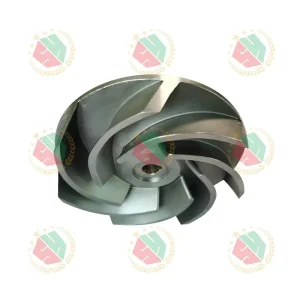
Water glass casting fits larger, heavier castings with thicker walls. It struggles with extremely thin sections, as the rougher shell and faster curing can create filling and surface defects. Silica sol investment casting handles thin-wall complex designs far better such as stainless steel impeller, though it can also produce larger castings when the specification demands high precision.
Note: Standard minimum wall thickness limits to be confirmed.
Common Defect Differences
Each process has its own typical defect tendency tied to shell characteristics:
- Water glass casting: Higher chance of rough surface, sand sticking, scab defects and surface blemishes
- Silica sol investment casting: Risks include pinholes or blisters if drying control is poor; fewer coarse surface defects under stable workshop conditions
Neither process is defect-free, and proper process control can suppress most common issues.
How to Choose Between Water Glass Casting and Silica Sol Investment Casting
Use this practical checklist during your drawing review stage to decide which lost wax casting process fits your project:
- Check drawing tolerance requirements: Pick silica sol investment casting if tight tolerances are non-negotiable
- Confirm required as-cast surface Ra: Choose silica sol investment casting for smooth, low-roughness surfaces
- Review alloy grade: High-performance alloys usually match silica sol investment casting
- Evaluate budget and order value: Select water glass casting to control component cost
- Confirm required delivery date: Water glass casting is preferred for fast sampling and urgent orders
- Check wall thickness and geometry complexity: Thin, intricate parts favour silica sol investment casting
Simple real-world examples:
- For carbon steel structural brackets with loose tolerances and a tight budget, water glass casting is a sensible option.
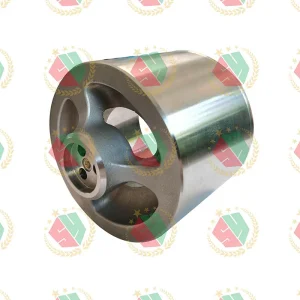
- For thin-wall 316L fluid components with strict surface requirements, silica sol investment casting is the better fit.
Frequently Asked Questions
Can water glass casting reach silica sol-level surface finish?
It cannot match the native as-cast surface of silica sol shells consistently. Secondary grinding or polishing can improve surface Ra, but that adds extra machining cost. Hybrid composite shells may narrow the gap but still have inherent limits.
Can we mix water glass and silica sol shell layers (composite shell casting)?
Yes, composite shell processes exist. A silica sol face coat paired with water glass back layers balances surface quality and cost. This hybrid route is less common than the two pure shell systems.
Is silica sol investment casting always better?
Not at all. Silica sol only adds value when your drawing requires its precision and smooth as-cast surface. If your part specification does not demand tight tolerances or premium surface quality, paying the premium for silica sol brings no functional benefit.
Does lost wax casting equal silica sol investment casting?
No. Lost wax casting is the broad category. Water glass casting is also a type of lost wax casting. Many buyers confuse these terms. The search term silicon mold casting is a frequent misnomer: it usually refers to ceramic shell casting rather than silicone rubber moulds for casting.
Conclusion
Water glass casting and silica sol investment casting are both proven lost wax casting technologies, but they serve different sourcing goals. Water glass casting delivers lower cost and faster lead time for standard structural castings. Silica sol investment casting provides superior surface finish and tighter dimensional tolerance for precision, high-alloy components.
The best process is determined by your part drawing, material specification, budget and delivery schedule. Clarify these requirements before sending your prints to casting suppliers, so you receive accurate quotations and avoid unnecessary rework.











