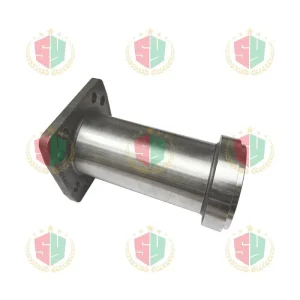
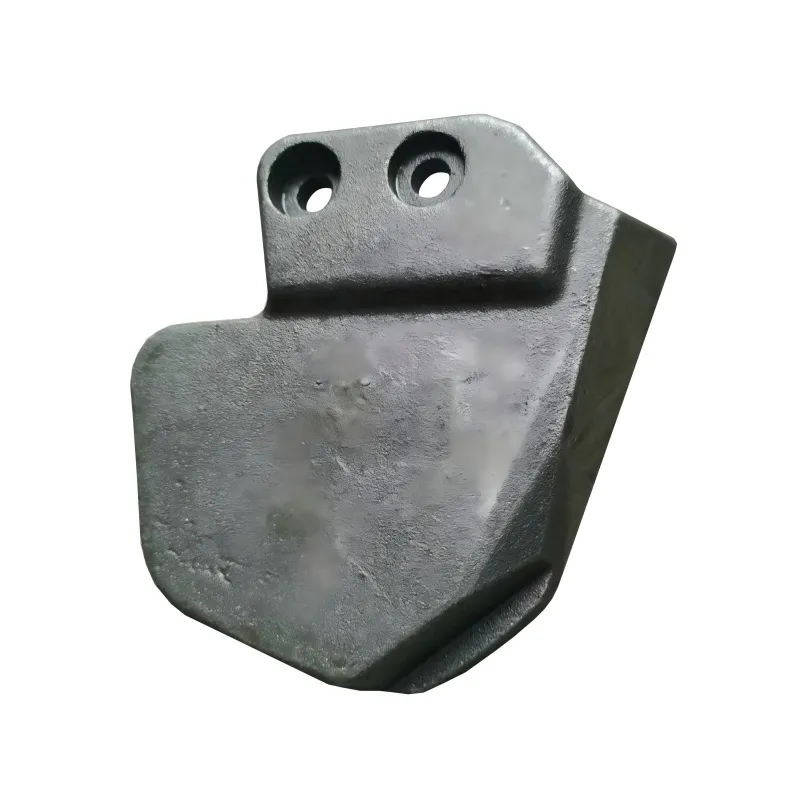
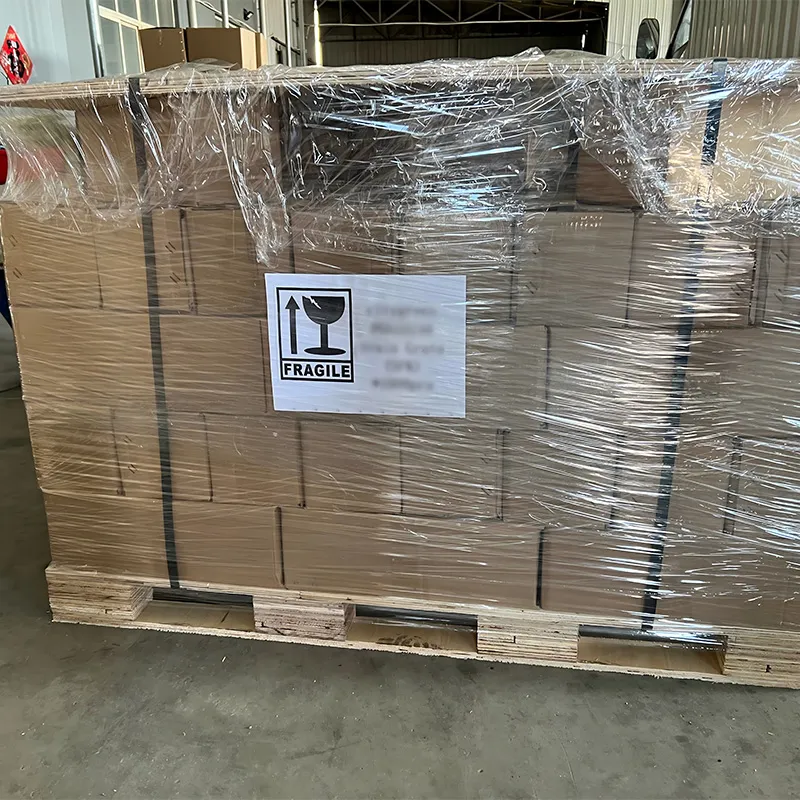
Selecting the right material and manufacturing partner is an important step in producing reliable industrial mechanical components. In applications involving aggressive chemical environments, demanding operating conditions, and long service cycles, ordinary stainless steel may not always provide the performance required. Sanicro28 is a high-alloy austenitic stainless steel developed for demanding corrosion-resistant applications, making it a material worth considering for selected industrial components.
As a manufacturer and supplier of Sanicro 28 stainless steel mechanical parts, a company needs to do more than provide the correct material grade. Buyers also need consistent material traceability, suitable machining processes, dimensional accuracy, reliable quality inspection, and practical support throughout the production process. These factors are especially important when manufacturing non-standard components according to customer drawings or supplying parts for equipment used in chemical processing and other corrosive environments.
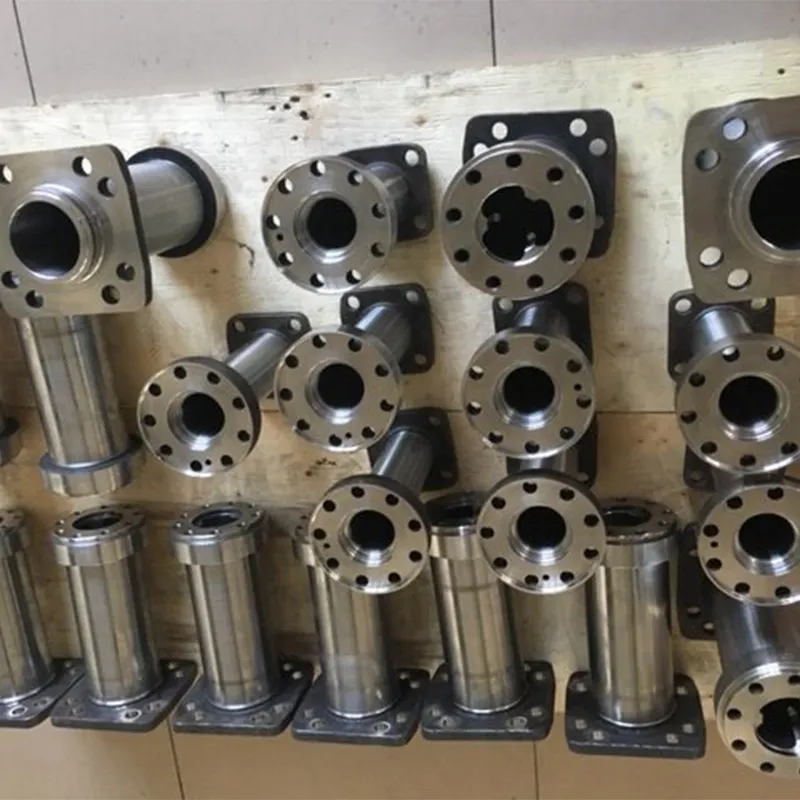
Sanicro 28 stainless steel mechanical parts can be considered for a range of industrial applications, depending on the component design, operating environment, and engineering requirements. Typical purchasing requirements may include machined components, precision metal parts, custom mechanical fittings, equipment components, and other products manufactured to specific drawings.
For OEM customers, finding a dependable Sanicro 28 stainless steel mechanical parts manufacturer is particularly important. A suitable manufacturing partner should understand the relationship between material selection, machining requirements, component tolerances, surface finish, and the final operating environment. This technical understanding helps buyers reduce avoidable production problems and make better decisions about component performance and total purchasing costs.
This guide explains the characteristics of Sanicro 28 stainless steel, the types of mechanical parts that may be manufactured from it, the OEM production process, quality-control considerations, supplier selection, and factors that influence the price of custom components.
Whether you are looking for a Sanicro 28 stainless steel mechanical parts factory for a new project or comparing suppliers for an established product line, understanding these factors can help you evaluate potential manufacturing partners more effectively.
Sanicro 28 is a high-alloy austenitic stainless steel associated with demanding corrosion-resistant service. Its alloy design combines chromium, nickel, molybdenum, and other alloying elements to provide resistance to a range of aggressive environments. The exact suitability of the material depends on the chemical composition, product condition, processing history, temperature, and the medium in which the component will operate.
Unlike standard stainless steel grades used for general fabrication, Sanicro 28 is often considered for applications where corrosion resistance is a major engineering requirement. Material selection should nevertheless be based on the actual service conditions rather than the alloy name alone.
1.1 Material Composition and Engineering Considerations
The performance of a corrosion-resistant alloy depends on the combined effects of its constituent elements and the microstructure established during manufacturing.
Chromium contributes to the formation of a passive surface layer that helps protect stainless steel against corrosion. Nickel supports the austenitic structure and contributes to material properties important for demanding industrial applications. Molybdenum improves resistance to certain localized corrosion mechanisms, although performance varies with the environment and operating conditions.
Other alloying additions can influence corrosion behavior and metallurgical stability. For this reason, buyers should verify the actual grade designation and chemical composition against the applicable material specification and the supplier’s inspection documentation.
When purchasing Sanicro 28 stainless steel mechanical parts, customers should also distinguish between the nominal material grade and the finished component. A correctly identified raw material does not automatically guarantee that a machined part will meet every dimensional, mechanical, or corrosion-performance requirement.
Material verification, suitable processing, and final inspection all contribute to the reliability of the finished product.
1.2 Why Choose Sanicro 28 for Mechanical Components?
The principal reason to consider Sanicro 28 is its potential suitability for selected corrosive environments in which conventional materials may have limitations.
Depending on the specific application, its potential advantages include:
- Resistance to certain aggressive chemical environments.
- Suitability for selected industrial process equipment.
- Potential for long service life when the alloy is correctly selected and processed.
- Availability in appropriate material forms for qualifying component designs.
- Compatibility with precision machining and other suitable manufacturing processes.
These advantages must be evaluated against the actual operating medium, concentration, temperature, pressure, flow conditions, and exposure duration.
For example, a component exposed to a chemical solution at elevated temperatures may experience different corrosion mechanisms from a component exposed to the same solution at ambient temperature. Crevices, surface deposits, welding conditions, and contact with dissimilar metals may also influence performance.
A knowledgeable Sanicro 28 stainless steel mechanical parts supplier should therefore request sufficient technical information before recommending the material for a specific application.
1.3 Sanicro 28 Compared with Conventional Stainless Steel
Buyers frequently compare high-alloy stainless steels with more commonly used grades, such as 304 or 316L. These comparisons can help establish whether the additional material cost is justified.
However, the grades should not be treated as interchangeable.
| Evaluation factor | Conventional stainless steel | Sanicro 28 |
| Typical selection approach | General corrosion and fabrication requirements | More demanding corrosion-related requirements |
| Alloy design | Depends on the selected grade | High-alloy austenitic stainless steel |
| Material cost | Often lower for commonly available grades | May be higher, depending on form and availability |
| Machining considerations | Depend on grade and component geometry | Require grade-specific process planning |
| Corrosion suitability | Must be assessed for the actual environment | Must also be verified for the actual environment |
| Purchasing documentation | Grade and specification verification | Particularly important for high-value alloy traceability |
The appropriate material is the one that meets the component’s engineering requirements at an acceptable total cost. A more expensive alloy is not necessarily the best option for every application, and a less expensive material should not be selected when its performance is inadequate.
1.4 Verify Material Identity Before Production
Material identification is a critical part of producing high-quality Sanicro 28 stainless steel mechanical parts.
Before manufacturing begins, the buyer and supplier should confirm the required material designation, applicable standard, product form, delivery condition, and documentation requirements.
Depending on the project, useful records may include a material test certificate, heat or batch number, chemical composition results, mechanical property information, and other inspection records required by the purchase specification.
Where material substitution is not permitted, the purchase order should explicitly state that the specified grade must be maintained throughout production.
For critical applications, the customer may also require additional material verification procedures. These requirements should be agreed upon before production so that the factory can plan inspection and traceability accordingly.
2. Types of Sanicro 28 Stainless Steel Mechanical Parts
Sanicro 28 stainless steel mechanical parts can encompass different component geometries and production requirements. The actual product range depends on the manufacturer’s equipment, material sourcing arrangements, machining capabilities, and quality-control systems.
For industrial buyers, the most important consideration is whether the supplier can manufacture the required component to the approved drawing and material specification.
2.1 Precision Machined Components
Precision machined components are used in industrial equipment where dimensional accuracy and repeatable assembly are important.
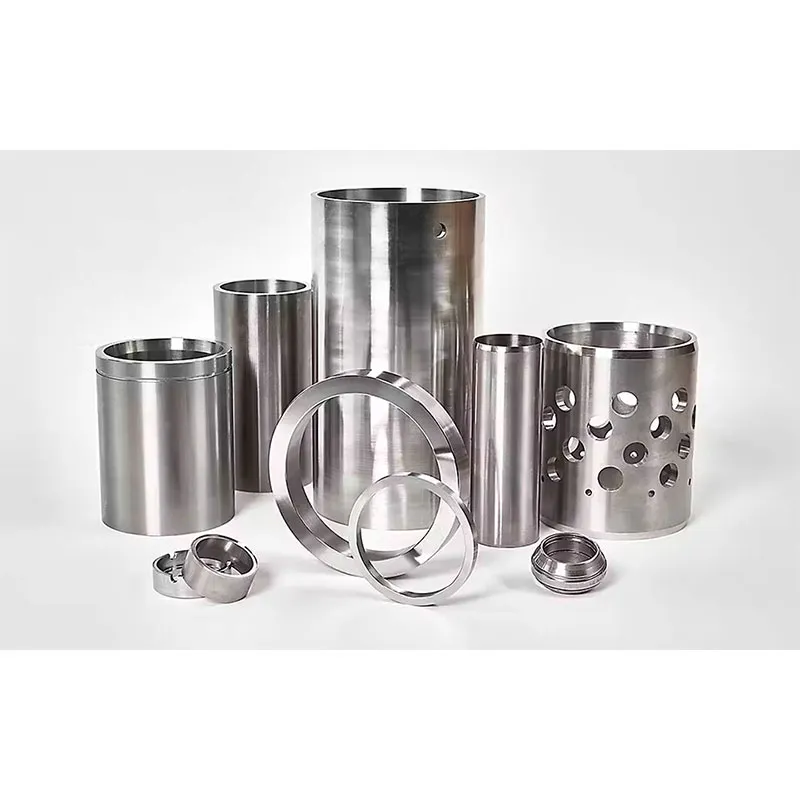
Depending on the drawing and available material form, potential component categories include turned parts, machined blocks, sleeves, spacers, bushings, and specially designed equipment components.
A precision-machined Sanicro 28 part may require several operations to achieve the specified geometry. These can include turning, milling, drilling, boring, threading, deburring, and finishing.
The manufacturing plan should account for the component’s dimensions, tolerance requirements, surface-finish specifications, and the behavior of the selected alloy during machining.
For complex parts, the supplier should review the drawing before quoting to identify features that may affect machining time, tooling requirements, material consumption, and inspection effort.
2.2 Custom Industrial Mechanical Parts
Not every industrial component can be purchased from a standard catalog. Equipment manufacturers frequently require non-standard dimensions, special interfaces, or unique geometries designed for a particular machine or process.
Custom Sanicro 28 stainless steel mechanical parts may be produced according to customer drawings, approved samples, or agreed technical specifications.
Examples of possible custom components include:
- Specially machined metal fittings.
- Precision connection components.
- Equipment mounting and support parts.
- Custom spacers and sleeves.
- Threaded components.
- Special-purpose machined components for process equipment.
These examples are illustrative rather than a guaranteed product list. The manufacturability of each part depends on its dimensions, material form, design complexity, and the production resources available.
For non-standard parts, a clear technical review before production can reduce misunderstandings about tolerances, threads, surface treatments, and acceptance criteria.
2.3 Components for Corrosion-Resistant Equipment
Sanicro 28 may be evaluated for selected components used in chemical processing and other industrial systems where corrosion resistance is important.
Potential component categories may include specially machined parts for process equipment, chemical-handling assemblies, and industrial systems exposed to aggressive media.
Nevertheless, the presence of Sanicro 28 in a component does not establish that the complete assembly is suitable for every corrosive application. The final decision depends on the component design, operating environment, joining methods, manufacturing condition, and applicable engineering standards.
Buyers should identify the chemical medium, concentration, temperature, pressure, and expected operating life when requesting a quotation.
This information allows the supplier and engineering team to evaluate the requested material and manufacturing requirements more accurately.
2.4 Small-Batch and Large-Quantity Production
Industrial procurement requirements vary significantly between development projects and established production programs.
Some customers need a small number of prototype components to verify a design. Others require repeat production for equipment manufacturing, maintenance, or replacement parts.
A capable Sanicro 28 stainless steel mechanical parts factory should evaluate whether the requested quantity fits its available production processes.
Small batches may involve greater setup costs per piece because programming, tooling preparation, material preparation, and inspection must be completed even when only a few components are required.
Larger orders may distribute these costs across more units, but they also require reliable production planning, material availability, and consistent quality control.
For recurring orders, customers can benefit from an agreed drawing revision, stable material specification, documented inspection requirements, and a clear reorder process.
3. OEM Sanicro 28 Stainless Steel Mechanical Parts Manufacturing
OEM manufacturing allows customers to source components according to their own product designs, technical specifications, and commercial requirements.
For companies developing industrial equipment or managing an established product line, an OEM Sanicro 28 stainless steel mechanical parts manufacturer can support the production of custom components without requiring the buyer to establish every manufacturing process internally.
The value of an OEM relationship depends on technical communication, process consistency, production capacity, and the ability to meet agreed specifications.
3.1 Manufacturing According to Customer Drawings
Customer drawings are often the primary reference for non-standard mechanical parts.
A complete drawing should identify the component dimensions, dimensional tolerances, material grade, surface-finish requirements, thread specifications, and other characteristics necessary for manufacturing and inspection.
Where a drawing contains ambiguous dimensions or conflicting requirements, the manufacturer should request clarification before production.
For example, a dimension may appear acceptable on the drawing but create a difficult machining or inspection requirement in practice. Reviewing these issues early can prevent rework and unnecessary cost.
Customers should also identify which dimensions are critical to assembly or function. This helps the supplier develop an appropriate manufacturing and inspection plan without imposing unnecessarily tight tolerances on every feature.
3.2 OEM Customization Options
Depending on the factory’s capabilities, OEM services may cover several aspects of production.
Drawing-based manufacturing: Components are produced according to customer-supplied engineering drawings and approved specifications.
Custom dimensions: Non-standard sizes and geometries are evaluated for manufacturability and production cost.
Material specification control: The required Sanicro 28 grade and material documentation are established before manufacturing.
Process selection: Suitable machining and finishing methods are selected according to the part geometry and quality requirements.
Packaging requirements: Packaging can be agreed upon to help protect components during storage, transportation, and handling.
Repeat production: Approved specifications and inspection criteria can be used as the basis for subsequent orders.
The availability of these services should be confirmed with the specific manufacturer before a project is awarded.
3.3 Prototype Production and Design Verification
For a new component, prototype production can provide an opportunity to verify dimensions, assembly compatibility, and manufacturing feasibility before larger orders are placed.
The prototype stage is particularly useful when the design includes complex geometry, tight tolerances, or interfaces with existing equipment.
Customers should establish acceptance criteria before the first sample is manufactured. These criteria may include dimensional measurements, material documentation, surface condition, and any special testing required by the application.
If changes are needed after inspection, the drawing should be revised and the approved revision clearly identified.
This process helps ensure that the prototype, production order, and future replacement parts are manufactured against consistent requirements.
3.4 Engineering Communication During Production
Successful OEM projects depend on clear communication between the buyer and manufacturer.
The buyer should provide complete technical information, while the supplier should communicate any limitations affecting manufacturability, lead time, quality, or cost.
When a proposed manufacturing change could affect component performance, the change should be reviewed and approved before implementation.
Material substitutions, changes to critical dimensions, and modifications to surface treatment should not be made without the required customer authorization.
For long-term supply relationships, documented communication and revision control help reduce the risk of producing parts that no longer match the customer’s equipment or assembly requirements.
3.5 Protecting Drawings and Product Information
Industrial OEM customers may provide confidential drawings, product specifications, and proprietary design information.
Before sharing sensitive technical documents, buyers should establish the appropriate confidentiality arrangements with the supplier.
The parties should clarify how drawings are stored, who can access them, and whether production information can be shared with subcontractors when necessary.
For components manufactured under a customer-owned design, the purchase agreement should also address ownership of drawings, tooling, and other project-specific materials where relevant.
These arrangements support a more reliable OEM relationship and help establish clear responsibilities for both parties.
4. Manufacturing Processes for Sanicro 28 Mechanical Parts
The manufacturing route for a Sanicro 28 component depends on its geometry, dimensions, material form, tolerances, and production quantity.
No single manufacturing process is suitable for every mechanical part. A manufacturer should select processes according to the technical requirements rather than relying on a standard production route for all products.
4.1 Raw Material Preparation
Production begins with the procurement and preparation of suitable raw material.
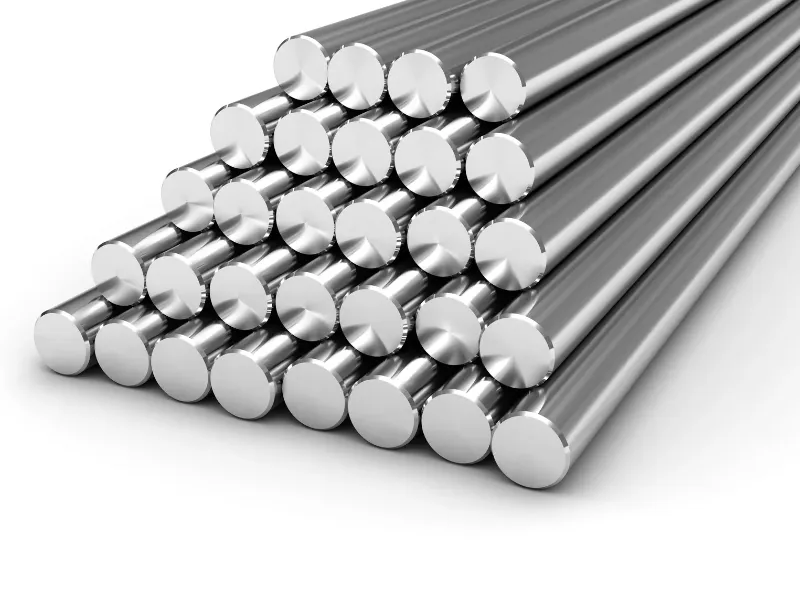
Depending on the component, the required material form may be bar stock, plate, tube, or another available form permitted by the design and applicable specification.
Before machining, the supplier should verify the material identification and ensure that the supplied stock is suitable for the intended process.
Material preparation may include cutting stock to an appropriate size, identifying the material batch, and organizing documentation for production traceability.
Because high-alloy materials can represent a significant portion of the total component cost, effective material planning can help control waste.
However, material savings must not compromise the specified grade, mechanical properties, or component integrity.
4.2 CNC Turning
CNC turning is commonly used for components with cylindrical or rotational features.
Potential applications include shafts, sleeves, bushings, threaded parts, and other rotational components, provided the design and material form are suitable.
Turning operations may establish the outer diameter, inner diameter, shoulders, grooves, and other rotational features.
The selected cutting tools, machining parameters, and workholding method must be appropriate for the material and geometry.
For Sanicro 28 components, process planning should consider tool wear, heat generation, chip control, dimensional stability, and the requirements of the finished surface.
The appropriate parameters depend on the machine, tooling, component geometry, and material condition. They should be established through qualified manufacturing procedures rather than assumed to be identical to those used for ordinary stainless steel.
4.3 CNC Milling
CNC milling is suitable for components that require flat surfaces, pockets, slots, holes, or more complex three-dimensional features.
For OEM mechanical parts, milling may be combined with turning or other machining operations to achieve the required shape.
The manufacturing plan should identify the datum surfaces and the relationship between important features.
Where multiple setups are required, the supplier should consider how positioning accuracy will affect the final dimensions.
For parts with critical interfaces, suitable workholding and inspection methods can help maintain consistency between machining operations.
4.4 Drilling, Boring, and Threading
Holes and threaded features are common requirements in mechanical components.
Drilling, boring, tapping, and thread milling may be used depending on the design, diameter, depth, thread specification, and material.
Deep holes and small internal features may require additional process planning because chip evacuation, tool access, and dimensional inspection can become more difficult.
Thread specifications should be stated clearly on the drawing, including the applicable thread standard, nominal size, pitch, and tolerance requirements where necessary.
For components that must connect to existing equipment, thread accuracy and interface dimensions can be as important as the overall external dimensions.
4.5 Deburring and Surface Finishing
Machining can leave burrs, sharp edges, or surface conditions that require further processing.
Deburring and edge finishing should follow the drawing or an agreed workmanship standard. Particular attention may be required for fluid passages, sealing interfaces, threaded areas, and components that will be assembled with other precision parts.
Surface roughness should be specified where it affects sealing, friction, fatigue performance, or another functional requirement.
A visually smooth surface is not, by itself, proof of corrosion resistance. Surface condition, contamination, processing history, and the operating environment can all influence corrosion behavior.
Where pickling, passivation, or another chemical surface treatment is required, the process must be appropriate for the actual alloy and agreed product specification.
4.6 Manufacturing Process Planning
Before production begins, the supplier should establish a practical route from raw material to finished component.
A manufacturing plan may include material preparation, machining, intermediate inspection, deburring, cleaning, final inspection, marking, and packaging.
The exact sequence depends on the component.
For example, a simple turned part may require only a limited number of operations, while a complex component with multiple precision interfaces may need several machining stages and more extensive inspection.
Process planning should also identify any outsourced operation and define how material identity and quality requirements will be maintained if subcontracting is involved.
A clear route helps the manufacturer estimate production time, allocate resources, and identify quality risks before they affect delivery.
5. Quality Control for High Quality Sanicro 28 Stainless Steel Mechanical Parts
Quality control is essential when manufacturing high-value alloy components for industrial applications.
A high quality Sanicro 28 stainless steel mechanical parts supplier should work to documented customer specifications and use suitable inspection methods to verify that the finished parts meet the agreed acceptance criteria.
Quality should be evaluated through measurable requirements, not marketing descriptions alone.
5.1 Incoming Material Inspection
Incoming inspection helps confirm that the raw material corresponds to the purchase specification.
Depending on the order, checks may include the material designation, dimensions, surface condition, identification markings, and supporting documentation.
Material certificates should be reviewed against the purchase requirements. Where traceability is required, the material heat or batch identification should remain linked to the relevant production records.
Additional verification methods may be specified for critical components. The required method should be selected according to the applicable standard and the level of assurance needed.
The purpose is to reduce the risk of an incorrect material entering the production process.
5.2 Dimensional Inspection
Dimensional accuracy is a central requirement for custom mechanical parts.
Inspection may involve measuring overall dimensions, diameters, hole positions, thread features, flatness, perpendicularity, or other characteristics identified in the drawing.
Suitable measuring equipment can include calipers, micrometers, bore gauges, height gauges, thread gauges, and coordinate measuring equipment, depending on the required accuracy and component geometry.
The inspection method should be appropriate for the tolerance being verified.
For example, a critical positional tolerance may require a different measurement approach from a general external dimension.
Inspection records should clearly identify the measured feature and its acceptance criteria where formal reporting is required.
5.3 Surface Finish and Visual Inspection
Surface condition can affect assembly, sealing, cleaning, and the suitability of a component for its intended environment.
Visual inspection may identify scratches, dents, burrs, machining marks, contamination, and other visible defects.
Where surface roughness is specified, it should be measured using a suitable instrument and method.
Acceptance criteria should distinguish between cosmetic imperfections and defects that affect function or compliance with the drawing.
For corrosive-service components, the customer may also specify cleaning, handling, or surface-treatment requirements.
These requirements should be established before production to ensure that the final process meets the intended application needs.
5.4 Material Traceability
Traceability becomes especially important when components are manufactured from high-value alloys or used in controlled industrial applications.
A traceability system should connect the raw material documentation with the production order and the finished parts where required by the purchase specification.
Depending on the project, records may include the material certificate, heat number, work order, inspection report, and final shipment information.
The required level of traceability varies by industry and application. It should therefore be agreed upon rather than assumed to be identical for every order.
Clear identification and documentation can simplify incoming inspection for the buyer and support the investigation of any later quality issue.
5.5 Inspection Plans and Acceptance Criteria
For repeat production, an agreed inspection plan helps establish which characteristics must be checked and how frequently inspection should occur.
The plan may distinguish between critical dimensions, general dimensions, material requirements, surface finish, and other special characteristics.
Sampling or full inspection should be determined according to the purchase specification, risk level, and applicable quality requirements.
Customers should also clarify whether they require a certificate of conformity, dimensional inspection report, material test certificate, or other documents with each shipment.
A clear inspection plan reduces the chance of disagreements after the parts have been manufactured.
5.6 Corrective Actions and Continuous Improvement
Even well-controlled manufacturing processes can encounter problems. A reliable supplier should have a clear process for investigating nonconforming products.
When a part does not meet the agreed requirements, the supplier and customer should identify the affected specification, determine the scope of the issue, and agree on the appropriate corrective action.
Depending on the situation, this may involve rework, replacement, additional inspection, or another formally approved disposition.
Changes intended to prevent recurrence should be documented where appropriate.
For OEM customers, this approach is particularly valuable because a dimensional or material problem can affect assembly schedules, finished equipment, and downstream production.
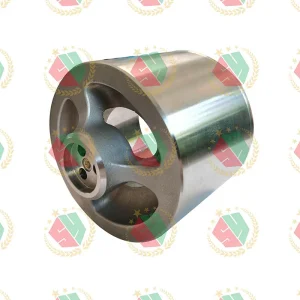
6. Industrial Applications of Sanicro 28 Mechanical Parts
Sanicro 28 is associated with corrosion-resistant applications, but the suitability of an individual component must be evaluated against the actual process conditions.
The following industries may contain applications worth evaluating for this alloy. They are not a guarantee that every component in these industries requires or is compatible with Sanicro 28.
6.1 Chemical Processing
Chemical processing equipment may contain components exposed to acidic solutions, process fluids, or other chemically aggressive media.
Depending on the medium and operating conditions, high-alloy stainless steel components may be considered for selected equipment assemblies.
Potential component requirements include dimensional stability, corrosion resistance, material traceability, and compatibility with the surrounding system.
Before specifying Sanicro 28, the engineering team should review the chemical composition of the process medium, concentration, temperature, contaminants, pressure, and any relevant operating cycles.
Material selection should be based on reliable compatibility information and the applicable engineering requirements.
6.2 Industrial Process Equipment
Industrial process equipment often contains a combination of structural components, machined interfaces, fasteners, supports, and specially designed mechanical parts.
Some components operate in relatively mild environments, while others experience aggressive chemicals or elevated temperatures.
Using one material for every component may not be technically or economically appropriate.
For this reason, buyers should identify which components actually require a high-alloy material and which can use alternative grades without compromising performance.
A qualified manufacturer can produce the specified part, but material selection remains an engineering decision based on the equipment’s requirements.
6.3 Equipment Maintenance and Replacement Parts
Maintenance teams may need replacement components for existing equipment, particularly when original parts are difficult to obtain or have extended lead times.
For replacement work, the buyer should provide the original drawing, part number, sample, or complete dimensional information wherever possible.
The material specification should also be verified rather than inferred solely from the appearance of an existing component.
Where the original material is unknown, an engineering review may be necessary before selecting a replacement grade.
For repeat maintenance orders, maintaining an approved specification and clear revision history can help simplify future purchasing.
6.4 OEM Equipment Manufacturing
Equipment manufacturers may require custom components in a stable production program.
These buyers typically need more than an individual part. They need predictable quality, consistent documentation, workable lead times, and communication that supports their own assembly schedules.
An OEM supplier relationship can be structured around approved drawings, material specifications, inspection requirements, order quantities, and packaging arrangements.
For projects with changing demand, buyers should also discuss forecast requirements and the supplier’s ability to accommodate changes in production volume.
6.5 Export-Oriented Industrial Procurement
International procurement may introduce additional requirements concerning documentation, packaging, transportation, and delivery coordination.
Before placing an export order, the buyer should confirm the required shipping documents, product identification, packaging method, and any applicable contractual requirements.
For components made from high-alloy stainless steel, protecting part identification and material traceability during packing can be particularly important.
The supplier and buyer should agree on responsibilities for freight, customs documentation, insurance, and other delivery arrangements within the purchase contract.
7. How to Choose a Sanicro 28 Stainless Steel Mechanical Parts Supplier
Selecting a supplier requires more than comparing quotations.
For custom alloy components, buyers should evaluate whether the manufacturer can satisfy the technical specification, document material identity, control manufacturing processes, and deliver the required quantities within the agreed schedule.
7.1 Verify Relevant Manufacturing Capabilities
Start by identifying the processes needed for the component.
A simple turned part may require different equipment from a complex component with multiple machined surfaces, intersecting holes, or tight positional tolerances.
Ask the supplier to explain how the component will be manufactured and which operations are performed in-house.
If an operation is outsourced, clarify how the supplier maintains specification control, traceability, and inspection responsibility.
The objective is not to choose the factory with the largest equipment list. It is to identify a manufacturing partner whose actual capabilities match the part requirements.
7.2 Confirm Experience with High-Alloy Materials
Manufacturing experience with ordinary stainless steel does not automatically establish experience with every high-alloy grade.
Ask how the supplier verifies incoming material, manages material identification, and establishes machining procedures for the requested alloy.
Relevant experience may also include tooling selection, process planning, finishing requirements, and dimensional inspection.
Where the application is demanding, the supplier should be willing to discuss the technical information required to establish a suitable manufacturing process.
Specific experience should be verified through relevant project records or other credible evidence where available.
7.3 Review Quality Documentation
Before placing an order, confirm which documents the supplier can provide.
Depending on the project, these may include material certificates, inspection reports, certificates of conformity, and records of specified tests.
If the customer requires a particular quality management certification or industry-specific approval, verify that the supplier holds the required valid certification and that its scope is relevant to the work.
Do not assume that a supplier has a certification simply because it advertises itself as a professional manufacturer.
Document requirements should be included in the quotation request or purchase order.
7.4 Evaluate Communication and Engineering Support
Clear communication can have a direct effect on manufacturing efficiency.
A suitable supplier should be able to identify missing drawing information, explain technical constraints, confirm specification changes, and communicate production risks.
For international buyers, written communication should clearly identify dimensions, units, material grades, delivery terms, and document requirements.
Before production, both parties should confirm that they are working from the same approved drawing revision.
This simple practice can prevent avoidable mistakes and reduce the need for corrective work.
7.5 Compare Total Cost Rather Than Unit Price Alone
The lowest quotation does not always represent the lowest total cost.
A meaningful comparison should include the specified material, manufacturing scope, inspection requirements, packaging, delivery, and any additional services required for the order.
If two quotations use different assumptions about tolerances, material documentation, surface finish, or inspection, their prices are not directly comparable.
Ask each supplier to identify exclusions and confirm whether the quotation covers the complete approved specification.
A slightly higher unit price may be justified if it includes requirements that would otherwise create additional expense or risk for the buyer.
7.6 Assess Production Planning and Delivery Reliability
Lead time depends on material availability, production capacity, component complexity, inspection requirements, and order quantity.
For Sanicro 28 components, raw material sourcing may be a significant factor in the schedule.
Ask the supplier to distinguish between material procurement time, manufacturing time, inspection time, and shipping time.
For repeat orders, discuss whether the supplier can plan material purchases in advance and maintain an appropriate production schedule.
A realistic delivery commitment is more useful than an unusually short estimate that does not account for the full production process.
8. Sanicro 28 Stainless Steel Mechanical Parts Price and Cost-Effective Purchasing
Price is an important factor when sourcing custom mechanical parts, but it should be evaluated together with material requirements, manufacturing complexity, quality expectations, and service life.
The cost of a Sanicro 28 stainless steel mechanical parts product can vary considerably from one project to another. Without a drawing, material specification, quantity, and delivery requirements, a reliable quotation cannot be established.
8.1 Material Cost
The selected alloy and required raw material form are major cost factors.
Material pricing can vary according to market conditions, stock availability, dimensions, quantity, supplier sourcing arrangements, and documentation requirements.
High-alloy stainless steel may cost more than common stainless steel grades. However, substituting a cheaper material is not appropriate unless the engineering requirements allow it.
To obtain a meaningful quotation, specify the exact required grade and material form.
If alternative materials are being considered, ask for a separate quotation for each option and have the alternatives evaluated against the intended service conditions.
8.2 Component Geometry and Machining Time
Complex geometry generally requires more manufacturing planning and machining effort than simple geometry.
Features that may increase cost include deep holes, small internal radii, complex contours, multiple setups, difficult-to-access surfaces, and tight dimensional tolerances.
Material removal also affects cost. A component machined from a large blank may generate substantial material waste.
Where the design allows it, a manufacturing review can identify opportunities to simplify non-critical features without changing the component’s required function.
Any design modification should be approved by the customer before production.
8.3 Tolerances and Inspection Requirements
Tight tolerances may require additional machining operations, more careful process control, and more extensive measurement.
Inspection requirements can also influence cost, particularly when a customer needs detailed reports or specialized testing.
Buyers should identify critical dimensions and specify tolerances according to functional requirements.
Unnecessarily tight tolerances can increase cost without providing a corresponding benefit to component performance.
Conversely, tolerances that are too loose may create assembly problems or reduce the reliability of the finished equipment.
The objective is to establish a technically appropriate specification that supports both performance and manufacturing efficiency.
8.4 Order Quantity
Order quantity affects material purchasing, setup costs, production scheduling, and inspection planning.
For small orders, setup and programming costs are distributed across relatively few pieces. This can make the unit price higher than for a larger production run.
For larger quantities, some costs may be spread across more units, although material prices, tooling, capacity constraints, and inspection requirements still affect the final quotation.
Buyers should provide both the initial order quantity and an estimate of expected future demand when requesting a quotation.
This information can help the manufacturer recommend a suitable production arrangement.
8.5 Lead Time and Expedited Production
Short lead times can increase costs if they require priority material procurement, overtime, expedited shipping, or changes to the production schedule.
For projects with fixed delivery dates, the buyer should communicate the required arrival date and destination as early as possible.
If the material is not immediately available, the supplier should explain the sourcing and production schedule before accepting the order.
Planning purchases in advance can reduce the need for urgent production arrangements.
8.6 What Does High Cost Performance Mean?
The phrase “High cost performance sanicro28 stainless steel mechanical parts” expresses a purchasing objective: obtaining appropriate quality and service at a reasonable total cost.
In professional procurement, cost performance should not be measured by unit price alone.
A more complete evaluation considers:
- Whether the material meets the required specification.
- Whether the finished dimensions meet the approved drawing.
- Whether the inspection documents satisfy the purchase requirements.
- Whether the part performs adequately in its intended environment.
- Whether the supplier can deliver consistently.
- Whether the total ownership cost is acceptable.
A cheaper part that requires repeated replacement, additional inspection, or corrective machining may create higher overall costs.
Likewise, an unnecessarily expensive specification can increase purchasing costs without improving the required function.
The most cost-effective solution is one that meets the technical requirements while avoiding unnecessary material, processing, and inspection expense.
8.7 Requesting an Accurate Quotation
To help a Sanicro 28 stainless steel mechanical parts manufacturer prepare an accurate quotation, provide as much of the following information as possible:
- Component drawing or approved 3D model.
- Required material grade and specification.
- Raw material form, if specified.
- Critical dimensions and tolerance requirements.
- Surface finish and finishing requirements.
- Quantity for the initial order.
- Estimated annual or repeat-order quantity.
- Material certification and inspection requirements.
- Packaging and shipping destination.
- Required delivery date.
If some details are not yet available, identify them as open items rather than allowing the supplier to make assumptions.
A complete quotation request makes it easier to compare manufacturers on the same technical basis.
9. Why Work with a Sanicro 28 Stainless Steel Mechanical Parts Factory?
For buyers sourcing custom components, a direct manufacturing relationship can make technical communication and production coordination easier.
However, the value of working with a factory depends on its actual capabilities, quality system, sourcing arrangements, and ability to meet the customer’s requirements.
9.1 Direct Communication About Technical Requirements
Working directly with the manufacturer may simplify discussions about drawings, tolerances, machining methods, and production schedules.
When technical questions arise, direct access to the production or engineering team can help the parties identify the issue and agree on a solution.
Buyers should confirm who is responsible for reviewing drawings, approving changes, and communicating production status.
Clear responsibilities reduce the chance of conflicting instructions during manufacturing.
9.2 More Transparent Production Planning
A factory that understands the complete production route can provide a clearer explanation of material preparation, machining, inspection, and packaging requirements.
This can be useful when the component has a demanding specification or depends on material that is not readily available.
Before awarding an order, request a realistic schedule and clarify the milestones that affect delivery.
For recurring orders, stable production documentation can also make planning more predictable.
9.3 Consistent Product Specifications
For OEM applications, maintaining consistent specifications across production batches is important.
The buyer and supplier should establish a controlled drawing revision, approved material designation, inspection criteria, and product identification requirements.
If the design changes, the revision should be communicated and approved before the revised component enters production.
These measures help prevent differences between prototype parts, initial production batches, and future replacement components.
9.4 Support for Repeat Orders
Repeat purchasing can become more efficient when the technical and commercial requirements are clearly documented.
A supplier may use the approved drawing, production records, and inspection plan as the basis for subsequent orders, subject to material availability and the agreed production arrangement.
For customers with ongoing demand, it can be useful to discuss forecast quantities, reorder lead times, packaging standards, and change-control procedures.
These arrangements help both parties plan resources and reduce unnecessary administrative work.
9.5 A Practical Approach to Supplier Evaluation
When evaluating a potential Sanicro 28 stainless steel mechanical parts supplier, buyers should request evidence relevant to their actual project.
Useful information may include examples of comparable components, available manufacturing processes, quality documentation, material traceability procedures, and a quotation based on the approved specification.
The evaluation should focus on verifiable capabilities rather than general claims about quality or experience.
This approach helps buyers establish a realistic understanding of what the supplier can deliver.
10. How to Order Custom Sanicro 28 Stainless Steel Mechanical Parts
A structured purchasing process can reduce misunderstandings and help keep an OEM project on schedule.
The following steps provide a practical framework for buyers and manufacturers.
Step 1: Define the Component Requirements
Begin by identifying the intended function of the component and the environment in which it will operate.
Provide the required material grade, drawing, dimensions, tolerance requirements, surface finish, and any applicable standards.
If the material has already been selected by the engineering team, state whether substitutions are prohibited.
If material selection is still under review, provide the operating conditions needed for further evaluation.
Step 2: Submit Drawings and Technical Documents
Send the latest approved drawing or 3D model, together with any relevant technical notes.
Identify the drawing revision and units of measurement.
For replacement components, provide the original part number, sample dimensions, or other available identification.
If a sample is supplied, clarify whether it is a reference for geometry only or whether its material and manufacturing characteristics have also been verified.
Step 3: Confirm Manufacturing Feasibility
The supplier should review the drawing and identify any missing information that could affect cost, quality, or delivery.
This review may cover machining access, material availability, tolerance requirements, finishing operations, and inspection methods.
If changes are proposed, the buyer should evaluate and approve them before production begins.
Step 4: Review the Quotation
Compare quotations using the same technical requirements.
Check the material specification, manufacturing scope, unit price, minimum order quantity, tooling charges, inspection documents, packaging, payment terms, and delivery conditions.
Confirm which items are included and which may incur additional costs.
Where the supplier has made assumptions, ask for clarification before accepting the quotation.
Step 5: Approve Samples When Required
For new or complex components, a sample may be appropriate before the full production order.
The buyer should establish acceptance criteria and review the sample against the approved drawing and required documentation.
If changes are necessary, revise the drawing or technical specification through the agreed change-control process.
A sample should not be considered approved solely because it appears visually acceptable.
Step 6: Confirm Production and Inspection Requirements
Before releasing the production order, both parties should confirm the drawing revision, material grade, order quantity, inspection plan, and delivery schedule.
Any special documentation or packaging requirements should be recorded.
For critical components, the customer may also require approval at specific production stages.
These arrangements should be agreed upon before work begins.
Step 7: Final Inspection and Delivery
After manufacturing, the supplier should complete the agreed final inspection and prepare the required documentation.
The finished parts should be identified and packaged according to the purchase requirements.
The buyer should review the shipment documents and perform incoming inspection in accordance with its own quality procedures.
If a nonconformity is identified, the buyer and supplier should document the issue and agree on the appropriate next steps.
11. Frequently Asked Questions About Sanicro 28 Stainless Steel Mechanical Parts
What are Sanicro 28 stainless steel mechanical parts?
Sanicro 28 stainless steel mechanical parts are components manufactured from the specified Sanicro 28 alloy. Depending on the design and manufacturing capabilities, they may include precision-machined parts, custom fittings, equipment components, and other non-standard metal parts.
The appropriate component type and material condition depend on the engineering drawing and intended application.
Why is Sanicro 28 used for selected industrial components?
Sanicro 28 is considered for selected applications because of its high-alloy composition and corrosion-resistant characteristics. Its suitability depends on the chemical environment, temperature, concentration, and other operating conditions.
The alloy should be selected using relevant technical information rather than assuming that it is suitable for every corrosive medium.
Can I order OEM Sanicro 28 stainless steel mechanical parts?
OEM production may be possible when the supplier has the required material sourcing and manufacturing capabilities.
Customers should provide drawings, material specifications, quantities, and quality requirements so that the supplier can evaluate feasibility and prepare a quotation.
For complex parts, sample approval or additional technical review may be appropriate.
How do I choose a high quality Sanicro 28 stainless steel mechanical parts manufacturer?
Evaluate the supplier’s ability to verify the specified material, manufacture the component to the approved drawing, control critical dimensions, maintain traceability, and provide the required inspection documents.
Also consider communication, delivery planning, manufacturing experience, and the supplier’s ability to support repeat orders.
Request evidence relevant to your project rather than relying solely on general quality claims.
What affects the price of Sanicro 28 mechanical parts?
Price depends on material cost, raw material form, component dimensions, geometry, machining time, tolerance requirements, inspection, finishing, quantity, and delivery conditions.
A drawing-based quotation is generally more useful than a general price estimate because it allows the supplier to evaluate the actual manufacturing requirements.
Can a manufacturer produce custom dimensions?
Custom dimensions may be possible if the required material form, equipment, and manufacturing processes are available.
Provide a detailed drawing and identify critical tolerances so that the supplier can review manufacturability before quoting.
Not every geometry is practical for every factory, so technical confirmation is important.
What information is needed to request a quotation?
A useful quotation request includes the drawing, material grade, quantity, tolerance requirements, surface finish, inspection documents, packaging requirements, and delivery destination.
If a delivery date is important, include it in the request.
The more complete the technical information, the easier it is to compare quotations on a consistent basis.
Is Sanicro 28 always better than 316L stainless steel?
No. The best material depends on the operating environment and engineering requirements.
Sanicro 28 may be worth evaluating where a higher-alloy material is required, but it may be unnecessary for applications that can be served reliably by 316L or another suitable grade.
Material selection should consider corrosion conditions, mechanical requirements, manufacturing constraints, and total cost.
How can I improve the cost performance of custom mechanical parts?
Start with a clear specification and distinguish critical dimensions from non-critical features.
Compare suppliers on the same technical basis, plan order quantities carefully, and avoid unnecessary tolerances or processing requirements.
Any proposed material or design change should be reviewed against the component’s intended function before approval.
What documents should accompany Sanicro 28 mechanical parts?
The required documents depend on the purchase specification and application.
They may include material test certificates, dimensional inspection reports, certificates of conformity, and other agreed records.
Customers should define these requirements before production so the supplier can prepare the correct documentation.
Can Sanicro 28 components be used in chemical processing equipment?
They may be suitable for selected chemical-processing applications, subject to engineering verification.
The chemical medium, concentration, temperature, pressure, exposure conditions, and component design all influence suitability.
A material compatibility assessment should be completed before specifying the alloy for a critical application.
How can I maintain consistency across repeat orders?
Use a controlled drawing revision, clearly defined material specification, agreed inspection criteria, and appropriate traceability records.
Communicate design changes formally and confirm that the supplier is working from the correct revision for every order.
These practices help reduce variation between production batches and replacement parts.
Conclusion
Choosing a reliable Sanicro 28 stainless steel mechanical parts manufacturer and supplier requires a balanced evaluation of material requirements, manufacturing capabilities, dimensional accuracy, quality documentation, and purchasing cost.
Sanicro 28 is a high-alloy austenitic stainless steel that may be appropriate for selected industrial applications where corrosion resistance is an important consideration. However, the suitability of the material must be verified against the actual operating conditions and the requirements of the finished component.
For OEM customers, successful production begins with a clear drawing, a confirmed material specification, and an agreed manufacturing and inspection plan. A supplier that communicates technical limitations clearly and maintains consistent documentation can help buyers manage custom production more effectively.
When comparing high quality Sanicro 28 stainless steel mechanical parts suppliers, consider the complete purchasing requirement rather than focusing on the unit price alone. Material verification, manufacturing feasibility, quality inspection, traceability, and delivery planning all contribute to the value of the final product.
If you are sourcing custom Sanicro 28 stainless steel mechanical parts, prepare your drawings, material requirements, order quantity, and inspection expectations before requesting a quotation. This will help potential manufacturers evaluate the project and provide a more accurate proposal for your industrial application.