1. Introduction: Pain Points for Alloy Fastener & Bushing Applications
Oil and gas valve designers and procurement engineers regularly face premature component failure when using standard stainless steel fasteners and common bronze bushings. Under high-temperature, sour gas, and corrosive fluid conditions, ordinary fasteners suffer from galling, stress cracking, and gradual preload loss. Standard bushings seize or wear out rapidly during repeated valve cycling.
Most drawing-based custom projects run into three core challenges:
- Special alloy materials are difficult to machine, leading to high scrap rates and unpredictable production costs.
- High-temperature creep causes bolt preload relaxation, which can result in flange leakage after long-term service.
- Non-standard alloy insert and bushing designs lack clear wear-resistant schemes, with no reliable baseline for setting high-temperature fit clearances.
This guide covers material selection, thread machining, creep control, bushing wear design, and drawing quotation checkpoints. It is built exclusively for custom oil & gas valve components. Use it to avoid material selection errors, machining waste, and cost omissions when sourcing non-standard alloy components.
2. Core Material Grades & Service Limits (Monel, Inconel, Stellite)
Choosing the correct alloy grade is the foundation of reliable service. This guide focuses on three grades most commonly specified for valve fasteners, inserts and bushings: Monel 400, Inconel 625/718, and Stellite cobalt alloy.
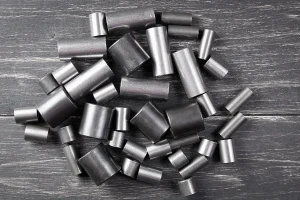
2.1 Monel 400 (UNS N04400) – Corrosion-Resistant Bolting for Wet Sour Service
- Continuous service temperature: Up to 425°C
- Primary media resistance: Hydrofluoric acid, seawater, brine, and mild sour gas environments; highly resistant to stress corrosion cracking in marine and brackish water.
- Typical application: Monel bolts for valve bonnet connections in seawater and low-temperature corrosive service.
- Limitation: Poor high-temperature creep resistance; not recommended for long-term service above 450°C.
- Inconel 625 (UNS N06625): Excellent resistance to pitting, crevice corrosion and sour gas (NACE MR0175 compliant); continuous service up to 650°C. It is used for corrosive valve trim fasteners where high tensile strength is not the top priority.
- Inconel 718 (UNS N07718): Precipitation-hardened nickel alloy with outstanding creep resistance; maintains high bolt preload up to 650°C (1200°F). This grade is the first choice for high-pressure, high-temperature (HPHT) valve flange bolting where preload retention is critical.
2.3 Stellite Cobalt Alloy – Wear-Resistant Inserts & Bushings
- Continuous service temperature: Up to 750–800°C without significant hardness loss.
- Core advantage: Exceptional resistance to galling, dry friction and abrasive wear even without lubrication, ideal for valve stem alloy inserts and non-standard alloy bushings.
- Common grade: Stellite 6 (cast, HRC 38–44), widely used for valve guide sleeves and anti-wear inserts.
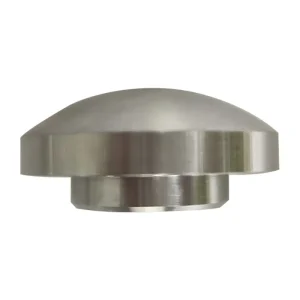
3. Thread Machining Difficulties of Special Alloy Fasteners
Special alloy fasteners including monel bolts and Inconel studs are notoriously hard to thread. The same material properties that deliver corrosion and heat resistance create major machining barriers.
3.1 Root Causes of Machining Failures
- Severe cold work hardening: Plastic deformation from cutting creates a hardened surface layer. Light rubbing or shallow cuts only polish the hardened skin and accelerate tool wear.
- Low thermal conductivity: Almost all cutting heat stays concentrated at the tool edge instead of dissipating into the chip, leading to rapid carbide insert thermal cracking and edge chipping.
- High hot strength: The material remains tough and hard even at cutting temperatures, producing long, stringy chips that form built-up edges and damage thread surface finish.
- Thread galling risk: Poor surface roughness will cause thread seizure during assembly.
3.2 Practical Thread Machining Solutions
- Material state: Machine fasteners in the solution-annealed soft condition, then perform age hardening after threading to avoid cutting fully hardened alloy.
- Tool selection: Use sharp PVD-coated carbide inserts with positive rake angles; avoid dull tools that rub instead of cutting.
- Cutting parameters: Keep surface speed low: 50–100 SFM for Monel, and only 25–45 SFM for Inconel 718 threading. Maintain a sufficiently large feed and depth of cut to cut fully through the work-hardened layer, rather than taking light finishing passes.
- Preferred forming method: Rolled threads are far superior to cut threads for special alloy fasteners. Thread rolling produces a continuous grain flow, improves surface quality, and eliminates most galling risks.
- Surface protection: Apply solid dry-film lubricant (DFL) to finished threads where anti-galling performance is required.
4. High-Temperature Creep & Preload Loss in Bolted Joints
Many high-temperature valve flange leaks stem not from corrosion, but from bolt creep and gradual preload relaxation over long operating hours.
4.1 How Creep Reduces Bolt Clamping Force
Creep describes slow, permanent plastic deformation under constant load and sustained high temperature, even below the material’s room-temperature yield strength. When valve bolts remain under tension at elevated temperatures:
- The bolt slowly stretches, and the original clamping force gradually drops.
- Thermal cycling amplifies relaxation, eventually breaking the flange sealing contact.
- Monel 400 has limited creep performance; Inconel 718 is the practical choice for long-term high-temperature bolting applications.
4.2 Engineering Measures to Control Preload Loss
- Material upgrade: Specify Inconel 718 instead of Monel for all continuous service above 500°C.
- Limit working stress: Reduce bolt tensile stress by increasing bolt size or lowering the target preload percentage.
- Thermal hot-tightening: Re-tighten bolts after the assembly reaches steady operating temperature to compensate for initial creep relaxation.
- Strict heat treatment: Ensure fasteners receive full age hardening to achieve stable high-temperature mechanical properties.
5. Non-Standard Alloy Insert & Bushing Wear-Resistant Design Schemes
Special alloy insert, special alloy bushing and alloy sleeve components serve as valve stem guides and wear liners. The dominant failure modes are dry friction galling, abrasive particle wear, and high-temperature seizure caused by insufficient thermal expansion clearance.
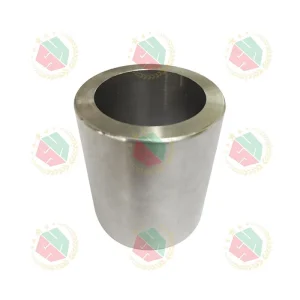
5.1 Three Main Wear-Resistant Configurations
- Solid Stellite bushing: One-piece cast or forged Stellite 6 sleeve, best for heavy load and dry-running valve trim. No welding defects, consistent hardness across the whole part.
- Bimetallic bushing with Stellite surfacing: Base body made of alloy steel with Stellite hardfacing on the inner sliding surface; balances wear performance and raw material cost for medium-duty valve applications.
- Graphite-embedded nickel alloy insert: Self-lubricating design for maintenance-free dry service. Solid graphite plugs are pressed into the alloy bushing bore to reduce metal-to-metal contact.
5.2 Critical High-Temperature Fit Clearance
Stellite and nickel alloys expand significantly when heated. If cold assembly clearance is too small, the bushing will clamp tightly on the valve stem and seize after temperature rise.
- Cold fit must reserve extra gap for thermal expansion.
- For operating temperatures above 500°C, a diametral clearance increase of 0.05–0.12 mm is used as a starting reference versus room-temperature standard fits (to be verified against alloy thermal expansion coefficients).
- Avoid tight press-fit for non-standard alloy inserts that run under cyclic heat.
6. Key Quotation Points for Drawing-Based Non-Standard Alloy Components
Most custom special alloy fastener and bushing projects are quoted directly from customer 2D drawings. Missing technical clauses often lead to unexpected manufacturing costs and post-order disputes. Below is the full checklist for drawing review before quoting.
6.1 Material & Material Certification Requirements
- Confirm the exact UNS grade (Monel 400, Inconel 718, Stellite 6) and ASTM material specification.
- Verify whether material test reports (MTR), heat analysis, and NACE sour service compliance are mandatory.
- Check if raw material must be vacuum-melted to minimize internal porosity for high-pressure valve parts.
6.2 Machining & Heat Treatment Cost Items
- Thread requirements: Rolled thread vs cut thread; thread accuracy class; surface roughness limits.
- Heat treatment: Solution annealing, age hardening, or stress relief; heat treatment adds notable production lead time and cost.
- Non-destructive testing (NDT): Magnetic particle inspection (MPI) or ultrasonic testing (UT) for internal flaws on forged inserts and bushings.
- Surface coating: Solid dry-film lubricant on threads to prevent assembly seizure.
6.3 Dimensional Tolerance & Non-Standard Features
- Non-standard outer/inner diameters, custom flange shapes, oil grooves, and lubrication holes increase CNC setup time.
- Overly tight tolerance requirements raise scrap rates, especially for thin-walled alloy sleeves prone to machining deformation.
- Press-fit interference must be reviewed; excessive interference can crack alloy inserts during assembly.
7. Frequently Asked Questions for Alloy Fasteners & Bushings
Q1: Can Monel bolts replace Inconel fasteners for valve service above 550°C?
A: No. Monel 400 suffers rapid creep relaxation above 450°C. Inconel 718 is required to maintain bolt preload at continuous high temperatures.
Q2: Is Stellite bushing better as a solid forging or hardfacing overlay?
A: Solid Stellite bushings deliver more consistent wear resistance without welding defects. Hardfacing is only cost-effective for large-diameter low-load sleeves.
Q3: Do special alloy threads need anti-seize coating?
A: Yes. Nickel and cobalt alloys have strong cold welding tendencies. A solid dry-film lubricant coating is required to prevent thread galling during bolt tightening.
Q4: How much extra clearance should be reserved for high-temperature alloy bushings?
A: Required clearance depends on operating temperature and alloy thermal expansion rate. A diametral gap of 0.05–0.12 mm serves as a preliminary reference for service above 500°C. This value must be recalculated for your exact alloy and working condition (to be verified).
8. Conclusion & Next Steps
Selecting special alloy fasteners, inserts and bushings requires balancing corrosion resistance, high-temperature creep stability, and wear performance. For oil & gas valve drawing projects:
- Match material grade strictly with service temperature and corrosive media; choose Monel for wet corrosion and Inconel 718 for high-temperature bolting.
- Optimize thread machining by using low cutting speed, sharp tooling, and rolled threads to reduce cold work hardening and galling.
- Design Stellite alloy bushings with sufficient thermal expansion clearance to avoid high-temperature seizure.
- Fully audit all technical clauses on customer drawings before quotation, including heat treatment, NDT, tight tolerances and surface treatment.
If you have valve component drawings requiring material review, machining cost evaluation or non-standard alloy insert/bushing custom quotation, submit your technical specifications for a detailed engineering assessment.











