Summary: Learn how to evaluate Stellite valve seat materials, compare Stellite 6 and Stellite 21, and define OEM component requirements.
Stellite valve seats are used in demanding valve applications where wear resistance, resistance to galling, corrosion performance, and operating conditions must be considered together. Selecting a suitable alloy requires more than choosing a material grade: engineers also need to evaluate the working medium, contact conditions, temperature, sealing requirements, and component design.
Stellite 6 and Stellite 21 are two cobalt-based alloys with different performance characteristics. Stellite 6 is widely used for general-purpose wear resistance, while Stellite 21 is known for its resistance to galling and metal-to-metal sliding wear, as well as its performance in certain demanding environments. The appropriate choice depends on the dominant wear mechanism and the actual service conditions. See the manufacturers’ technical information for Stellite 6 and Stellite 21.
This guide explains how engineers and OEM purchasing teams can evaluate Stellite valve seat materials, compare alloy options, and prepare component requirements for supplier review.
What Are Stellite Valve Seats?
The Role of a Valve Seat in Industrial Valves
A valve seat is the sealing surface against which a valve closure element, such as a disc, ball, or plug, makes contact. Its geometry and surface condition affect the valve’s ability to control or stop fluid flow.
Depending on the valve design, the seat may experience repeated contact, sliding friction, pressure loading, temperature changes, and exposure to the process medium. These conditions can contribute to wear, surface damage, or leakage.
In demanding applications, a valve seat may be manufactured from a wear-resistant alloy or use a protective alloy layer on a substrate. A solid-alloy component and a hardfaced component are different manufacturing solutions, so the specification should clearly identify which design is required.
Why Stellite Alloys Are Considered for Valve Seats
Stellite is a family of cobalt-based alloys developed for applications requiring combinations of wear resistance, resistance to galling, and performance under demanding thermal or chemical conditions.
The properties of individual grades depend on their chemical composition, microstructure, and processing history. Differences in carbide content and matrix composition influence the balance between wear resistance and other characteristics. As a result, the general properties of the Stellite family should not be treated as identical across every grade.
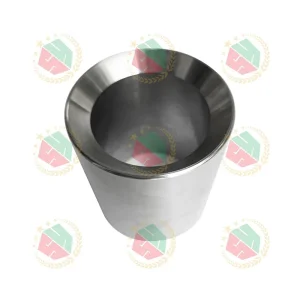
Stellite 6 is described by its manufacturer as a general-purpose wear-resistant alloy with good overall performance. Related cobalt-based wear-resistant components include Alloy 6 bushings. Its documented applications include valve seats and gates. Stellite 21 is known for its resistance to cavitation, galling, and metal-to-metal sliding wear, but it is not recommended for severe hard-particle abrasion.
These differences make alloy selection an application-specific decision. A seat exposed primarily to repeated metal contact presents a different selection problem from one exposed to abrasive particles or a chemically aggressive fluid.
Key Operating Conditions That Affect Material Selection
The first step in selecting a Stellite valve seat is to identify the conditions most likely to limit component performance. A material that performs well in one service environment may be unsuitable for another.
Wear, Abrasion, and Repeated Contact
Wear mechanisms should be identified before choosing an alloy grade.
- Metal-to-metal sliding wear: Repeated movement between contacting surfaces can gradually damage the material, particularly where lubrication is limited.
- Galling: Local adhesion and material transfer between contacting metals can interfere with movement and damage the sealing interface.
- Hard-particle abrasion: Solid particles trapped between surfaces can scratch, cut, or remove material.
- Erosion and cavitation: Fluid flow, particle impact, or cavitation-related effects can progressively damage a surface.
- Repeated seating cycles: Frequent opening and closing can produce cumulative wear at the contact interface.
Stellite 6 is a common candidate for general wear-resistant applications and is documented as having good resistance to impact and cavitation erosion. Stellite 21 is particularly relevant when galling and metal-to-metal sliding wear are important, but it is not recommended for severe hard-particle abrasion.
The dominant failure mechanism matters more than the material name alone. For example, a valve handling clean fluid with repeated metal contact presents different requirements from a valve handling a particle-laden slurry. In the latter case, particle hardness, concentration, and size may all influence material selection.
Engineers should also evaluate the mating surface. Its material, hardness, surface finish, and geometry can influence the wear behavior of the complete sealing pair.
Corrosion and Fluid Compatibility
The process medium is another important factor in valve seat selection.
A valve may be exposed to water, steam, hydrocarbons, process chemicals, corrosive gases, or mixtures containing dissolved substances and solid contaminants. These conditions can affect the seat material, its substrate, and the interface between a protective layer and the underlying component.
Stellite grades have different corrosion characteristics. Stellite 21, for example, is a cobalt-chromium-molybdenum alloy, while Stellite 6 contains tungsten and has a higher nominal carbon content. These compositional differences contribute to their different performance profiles, but composition alone does not establish compatibility with a specific fluid.
Before specifying a grade, engineers should document:
- The process medium and relevant chemical composition.
- Known corrosive contaminants and their concentrations.
- Operating temperature and pressure.
- Whether the environment changes during startup, shutdown, or cleaning.
- The presence of deposits or suspended solids.
- Any material restrictions or application-specific requirements.
A general description such as “corrosion-resistant” is not sufficient to prove suitability for a particular process. Where the environment is chemically aggressive, the proposed material should be checked against applicable technical documentation and service conditions.
Temperature, Pressure, and Thermal Cycling
Temperature affects material behavior, dimensional relationships, and the performance of the valve sealing interface. Pressure influences the mechanical loads acting on the seat and its contact surfaces.
Repeated heating and cooling can also produce dimensional changes and thermal stresses, particularly when the seat and its supporting component have different material properties.
When evaluating a Stellite valve seat, consider:
- Normal operating temperature and the expected temperature range.
- Minimum and maximum temperatures during startup, shutdown, and abnormal operation.
- Operating pressure and the resulting mechanical loads.
- The frequency and severity of thermal cycles.
- Differences in thermal expansion between the seat, substrate, and mating component.
- The effects of temperature on wear, corrosion, and sealing performance.
Stellite 6 is documented as retaining useful hardness at elevated temperatures, while Stellite 21 is noted for resistance to thermal and mechanical shock. These general characteristics do not establish suitability for every high-temperature or high-pressure valve. The final decision must account for the complete valve design and specified operating envelope.
Sealing Requirements and Counterface Compatibility
Wear resistance alone does not guarantee reliable sealing. A valve seat must maintain the required contact geometry and surface condition throughout its intended service life.
Important design considerations include seat dimensions, contact width, surface finish, alignment, and the relationship between the seat and the opposing sealing surface.
Engineers should evaluate four main factors:
- Required sealing performance: Define the applicable leakage criteria and test conditions.
- Contact geometry: Confirm the seat profile, dimensions, and contact area required by the valve design.
- Mating materials: Check compatibility between the seat and the disc, ball, plug, or other contacting component.
- Surface finish and dimensional stability: Establish finish requirements and consider the effects of manufacturing, temperature, and loading.
The opposing surface deserves particular attention. Selecting a wear-resistant seat without reviewing the mating component may leave the complete sealing pair vulnerable to galling, uneven wear, or leakage.
Where a seat uses a hardfaced surface, the specification should also address the relationship between the deposited alloy and the base material. Requirements for the finished layer, machining, and inspection should be agreed upon before production.
Stellite 6 vs. Stellite 21 for Valve Seat Applications
Stellite 6 and Stellite 21 are both cobalt-based alloys, but their characteristics differ in ways that can affect valve seat performance. The comparison below summarizes general characteristics documented by the alloy manufacturer. It is intended to guide initial evaluation, not to replace application-specific engineering review.
Differences in Material Characteristics
| Selection factor | Stellite 6 | Stellite 21 |
| General positioning | General-purpose wear-resistant alloy | Alloy considered for sliding wear, galling, and selected demanding environments |
| Main alloying characteristics | Cobalt-based, with chromium, tungsten, and carbon | Cobalt-based, with chromium and molybdenum and a lower carbon content |
| Wear considerations | Broad wear resistance and good resistance to impact and cavitation erosion | Strong resistance to galling and metal-to-metal sliding wear |
| Hard-particle abrasion | Evaluate according to the severity and conditions of the application | Not recommended for severe hard-particle abrasion |
| Corrosion considerations | Offers corrosion resistance in many environments; compatibility must be verified | Offers corrosion resistance; suitability depends on the specific environment |
| Manufacturing considerations | Available processes depend on the selected material form and supplier | Properties can be significantly affected by manufacturing route and subsequent heat treatment |
The table does not establish that either alloy is categorically better. Performance depends on the service conditions, component design, material form, and processing route.
How Application Conditions Influence Grade Selection
A practical selection process begins with the performance requirement that matters most.
When general wear resistance is the main requirement
Stellite 6 may be a reasonable candidate for initial evaluation because it is widely used for general wear protection and is documented for valve seat applications. The decision should still account for the severity of wear, the mating surface, and the required operating life.
When galling and metal-to-metal sliding are major concerns
Stellite 21 deserves consideration because of its documented resistance to galling and metal-to-metal sliding wear. However, if the valve also handles substantial quantities of hard abrasive particles, that advantage should not be interpreted as evidence of suitability for the complete application.
When corrosion influences material selection
The actual fluid chemistry should guide the comparison. Both the alloy grade and the surrounding component materials need to be evaluated against the specified medium, temperature, and operating conditions. If compatibility is uncertain, obtain application-specific technical advice before approving the material.
When thermal cycling or impact is important
Review both normal operating temperatures and transient conditions. Stellite 21 is documented for resistance to thermal and mechanical shock, while Stellite 6 has good resistance to impact and cavitation erosion. These are different performance considerations, so the relevant loading mechanism should be identified before making a decision.
For demanding applications, the final choice may require manufacturer technical data, engineering review, or testing under representative service conditions.
Questions to Ask Before Choosing a Grade
Before confirming a Stellite valve seat specification, engineers should answer the following questions:
- What is the dominant damage mechanism: sliding wear, galling, abrasion, erosion, corrosion, or a combination?
- What are the normal and transient operating temperatures and pressures?
- What fluid or gas contacts the seat, and what contaminants are present?
- What material and surface finish are specified for the mating component?
- Is the design based on a solid-alloy component or a hardfaced substrate?
- Which dimensions, tolerances, and sealing requirements are critical?
- What inspection records, material identification, or test documentation are required?
These questions help establish whether a candidate grade is appropriate before the drawing, quotation, and manufacturing process are finalized.
Manufacturing and Quality Considerations for Stellite Valve Seats
A suitable alloy is only one part of a reliable valve seat. The manufacturing route and final inspection also influence whether the finished component meets its dimensional and functional requirements. The specific processes available depend on the component design, required material form, and supplier capabilities.
Component Design and Dimensional Requirements
The drawing should define the features that affect fit, assembly, and sealing performance.
Depending on the design, these may include:
- Overall dimensions and critical diameters.
- Seat profile and sealing geometry.
- Mounting and locating features.
- Required tolerances and datum references.
- Finished dimensions after coating, deposition, or machining, where applicable.
- Material grade and required material form.
- Inspection and acceptance requirements.
For a hardfaced seat, the drawing or associated specification should clarify which dimensions refer to the base component and which refer to the finished part. It should also define any requirements for the protective layer and final sealing surface.
Clear documentation helps reduce ambiguity during quotation, production planning, and final inspection.
Machining and Surface Finish
Cobalt-based wear-resistant alloys require appropriate machining methods and tooling. Their behavior varies by grade and material condition.
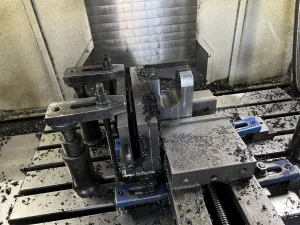
Stellite 21 can work harden during wear and even during machining, making appropriate tooling and machining techniques important. Stellite 6 is also documented as machinable with carbide tooling in relevant material forms.
For valve seats, machining should be planned around final functional requirements rather than dimensional conformity alone. Critical considerations include:
- Achieving the specified profile and tolerances.
- Maintaining the required sealing surface finish.
- Avoiding damage to the functional surface during finishing.
- Accounting for material condition and preceding manufacturing operations.
- Verifying final geometry after all required processing.
Where a protective alloy layer is applied to a substrate, machining and finishing plans should account for the required layer dimensions and the underlying component design. The exact sequence should be determined from the drawing, material form, and production route.
Inspection and Acceptance Requirements
Inspection requirements should be agreed upon before production, especially when valve seats are used in critical service.
| Inspection area | What to define |
| Material verification | Required grade, material identification, and applicable documentation |
| Dimensional inspection | Critical dimensions, tolerances, datum references, and measurement methods |
| Surface inspection | Relevant surface defects and acceptance criteria |
| Sealing geometry | Required profile, contact geometry, and finish |
| Hardfacing, if applicable | Layer dimensions and any specified bonding or integrity checks |
| Functional testing | Required leakage or other performance tests, where applicable |
| Documentation | Inspection reports, traceability records, and other agreed deliverables |
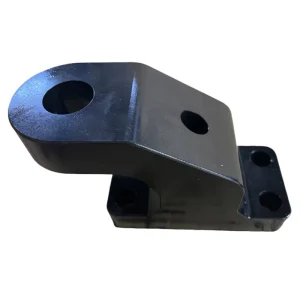
Not every item is necessary for every valve seat. The inspection plan should reflect the design, service criticality, applicable standards, and customer requirements.
For example, dimensional inspection alone does not demonstrate that a valve will meet its specified leakage requirement. If functional testing is required, the test method, conditions, and acceptance criteria should be defined separately.
Material certification, non-destructive examination, and traceability should not be assumed to be included in a supplier’s standard scope. The purchaser should identify the required documentation and confirm its availability before placing the order.
How to Specify a Stellite Valve Seat for an OEM Order
A clear request for quotation (RFQ) helps suppliers evaluate the component and reduces the risk of mismatched assumptions about material, manufacturing, and inspection.
Define the Operating Environment
Start by documenting the conditions in which the valve seat will operate.
Include, where applicable:
- Process medium and relevant chemical composition.
- Normal, minimum, and maximum operating temperatures.
- Normal and maximum operating pressures.
- Expected opening and closing cycles.
- Known wear, corrosion, erosion, or galling issues.
- Required service life or maintenance considerations.
- Applicable design codes, material restrictions, and customer specifications.
If the component is replacing an existing seat, provide its service history and observed failure mode when available. Evidence of the actual damage mechanism can help distinguish between a material problem, a design issue, and an operating-condition problem.
Avoid selecting a grade solely because it was used in a similar valve. Differences in fluid chemistry, loading, contact geometry, and operating cycles may change the requirements.
Prepare Drawings and Component Requirements
Provide a current engineering drawing or a complete set of component specifications.
The RFQ package should identify:
- Part dimensions and drawing revision.
- Material grade and acceptable alternatives, if any.
- Whether the seat is a solid component or a hardfaced part.
- Required surface finish and critical tolerances.
- Mating component material and relevant contact requirements.
- Order quantity and expected order pattern, where known.
- Packaging, identification, and traceability requirements.
If the design permits a supplier to propose an alternative manufacturing route or alloy grade, state that explicitly. If the material grade is mandatory, identify it as a fixed requirement.
This distinction matters because an alternative may affect manufacturing steps, inspection requirements, qualification needs, and compatibility with the existing valve design.
Confirm Material Grade and Documentation
The material specification should identify the required alloy unambiguously.
When considering Stellite 6 or Stellite 21, verify the grade against the applicable technical documentation. Also confirm the required material form and manufacturing route, since properties may vary with processing history.
For Stellite 21, the manufacturer specifically notes that mechanical properties depend significantly on the manufacturing route and subsequent heat treatment. A grade designation alone may therefore be insufficient when the application requires defined properties or a particular material form.
Before approval, clarify:
- The exact material designation and applicable specification.
- The material form and manufacturing route.
- Whether a material certificate or other supporting documentation is required.
- Any required inspection, testing, or traceability records.
- Whether alternative materials or processes require customer approval.
If the component uses hardfacing, the specification should separately address the base material and deposited alloy where relevant. Requirements for the finished layer, final machining, and acceptance should also be established.
Review Samples and Acceptance Criteria
Where the design, application risk, or purchasing agreement calls for sample approval, establish the approval process before bulk production.
The review may include dimensional verification, material documentation, surface inspection, and other checks required by the engineering specification.
If functional performance must be demonstrated, define the test method and acceptance criteria in advance. A sample that matches the drawing does not automatically demonstrate long-term wear or corrosion performance under operating conditions.
For repeat orders, clarify how drawing revisions, material substitutions, process changes, and nonconforming parts will be handled. This helps maintain consistency between sample approval and subsequent production.
FAQ
What is Stellite used for in valve seats?
Stellite alloys are used in valve seat applications requiring combinations of wear resistance, resistance to galling, and performance under demanding thermal or chemical conditions. Stellite 6 is documented for valve seats and gates, while Stellite 21 is known for metal-to-metal sliding wear and galling resistance. Suitability depends on the operating environment and component design.
What is the difference between Stellite 6 and Stellite 21?
Stellite 6 is widely used for general wear protection and offers good resistance to several forms of mechanical degradation. Stellite 21 is often considered for metal-to-metal sliding, galling, and certain demanding environments. It is not recommended for severe hard-particle abrasion. The final selection should be based on the dominant failure mechanism and the complete operating conditions.
What information is needed to specify a Stellite valve seat?
A useful specification includes the engineering drawing, material grade, required material form, operating medium, temperature and pressure range, wear conditions, critical dimensions, sealing requirements, and inspection criteria. If the component is hardfaced, the specification should also address the substrate and finished alloy layer.
Is a Stellite valve seat suitable for every high-temperature application?
No. Suitability depends on the alloy grade, material condition, mechanical loading, thermal cycling, process medium, and valve design. General material data should be reviewed against the actual service conditions. Where necessary, obtain application-specific engineering advice before approving the material.
Conclusion
Selecting a Stellite valve seat requires a coordinated assessment of wear mechanisms, corrosion conditions, temperature, pressure, sealing geometry, and manufacturing requirements.
Stellite 6 is a common starting point for evaluating general wear-resistant applications. Stellite 21 may be worth considering where galling, metal-to-metal sliding, or particular demanding conditions are important, but it is not recommended for severe hard-particle abrasion. Neither grade should be selected without checking the actual operating environment and component requirements.
For OEM projects, a complete drawing, clearly defined operating conditions, an unambiguous material specification, and agreed inspection criteria provide a sound basis for supplier evaluation.
If you are sourcing Stellite valve seats, prepare the component drawing, required alloy grade, operating conditions, and quality requirements before requesting a quotation. These details help suppliers evaluate the proposed material and manufacturing route against your application needs. Learn more about our casting and CNC machining capabilities.